Shows
-1.jpg)

![Metamorphoses of Control [Catalogue launch]](https://media.isabellafuernkaes.com/Isabella_Fuernkaes_Mouches_Volantes_Metamorphoses_of_Control_2022_00001.jpg)




definitively_Goeben_Berlin_2020_00003.JPG)



On the currents of the city
Place: Museum Abteiberg, Mönchengladbach
Date: -
Artists: Isabella Fürnkäs & Lukas von der Gracht
Curated by: Susanne Titz & Markus Ambach
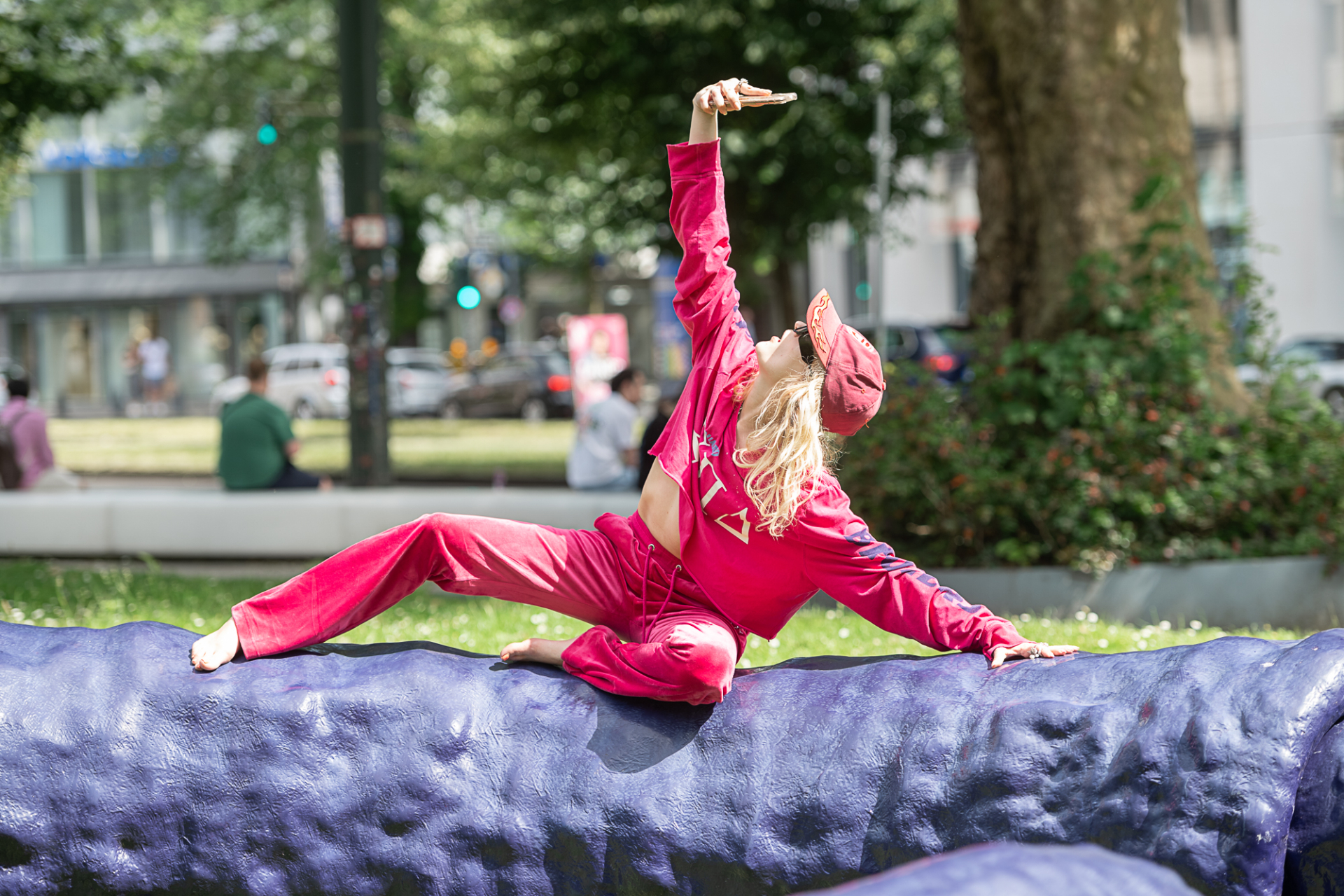
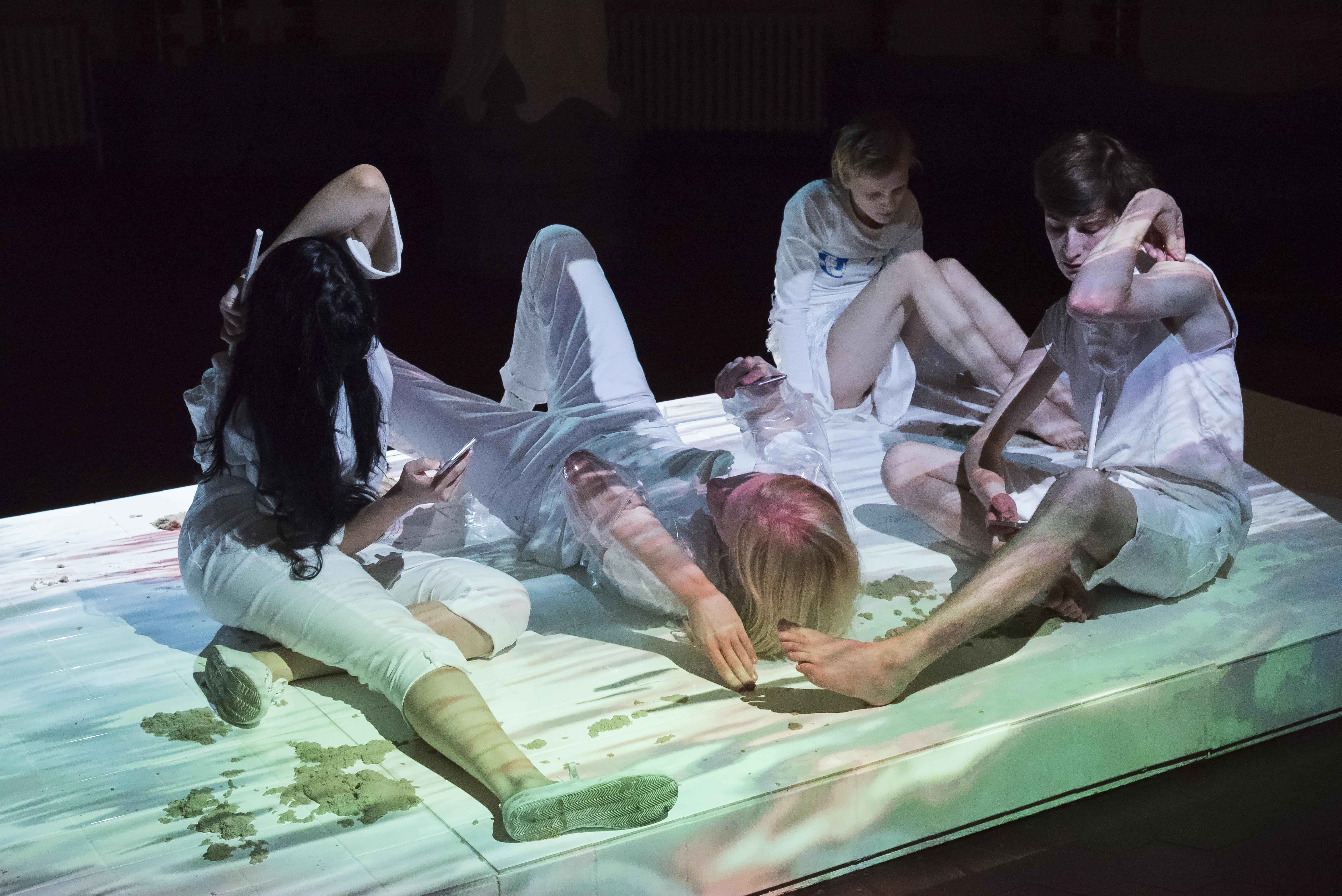
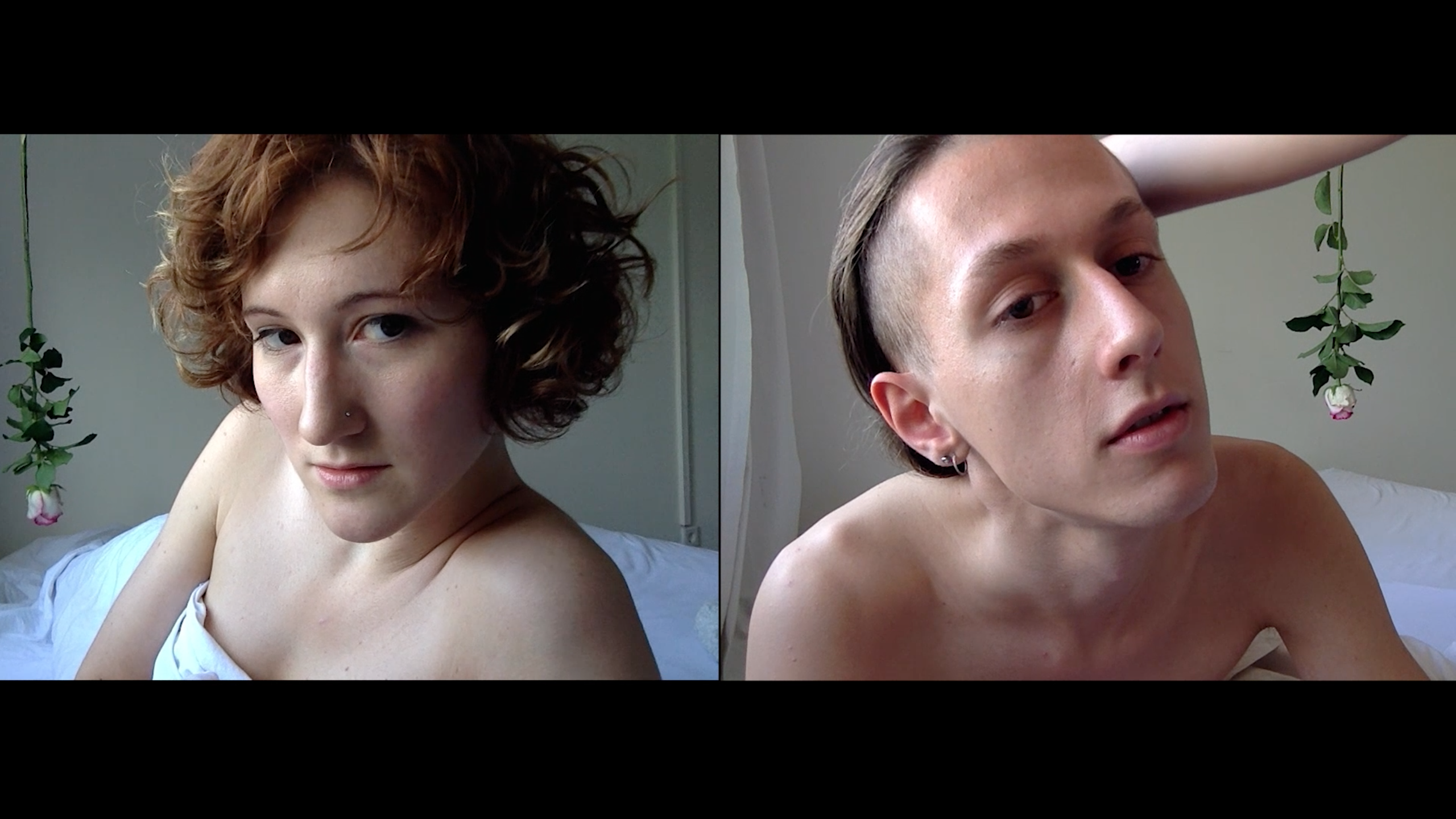
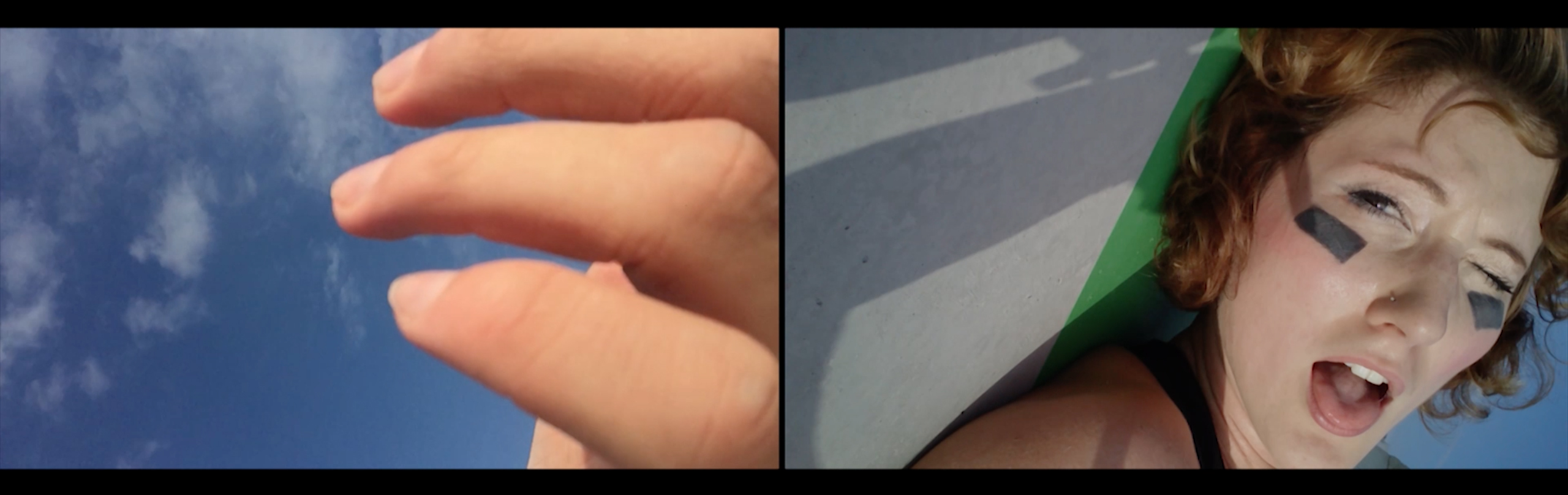
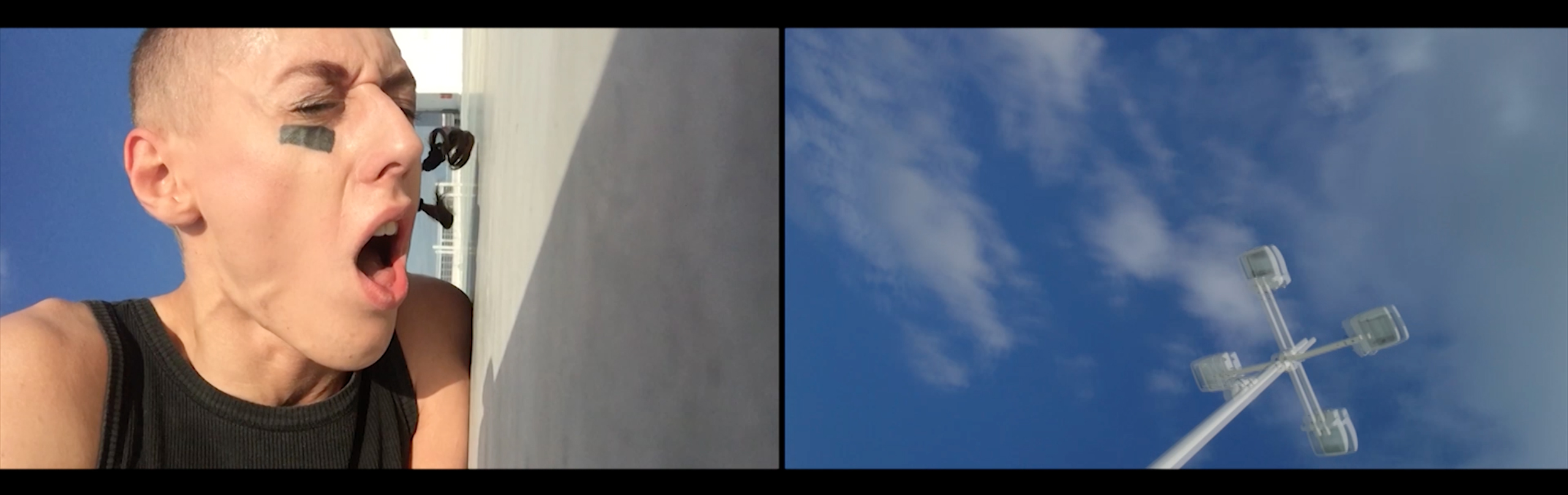
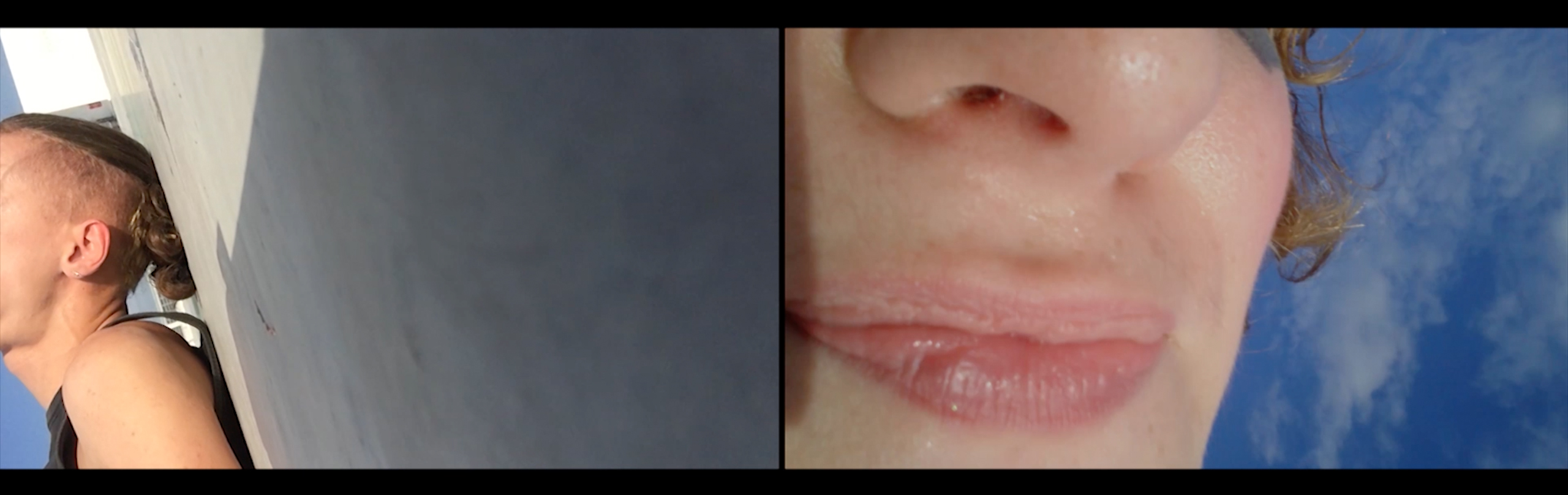
Works: Selfiecalypse
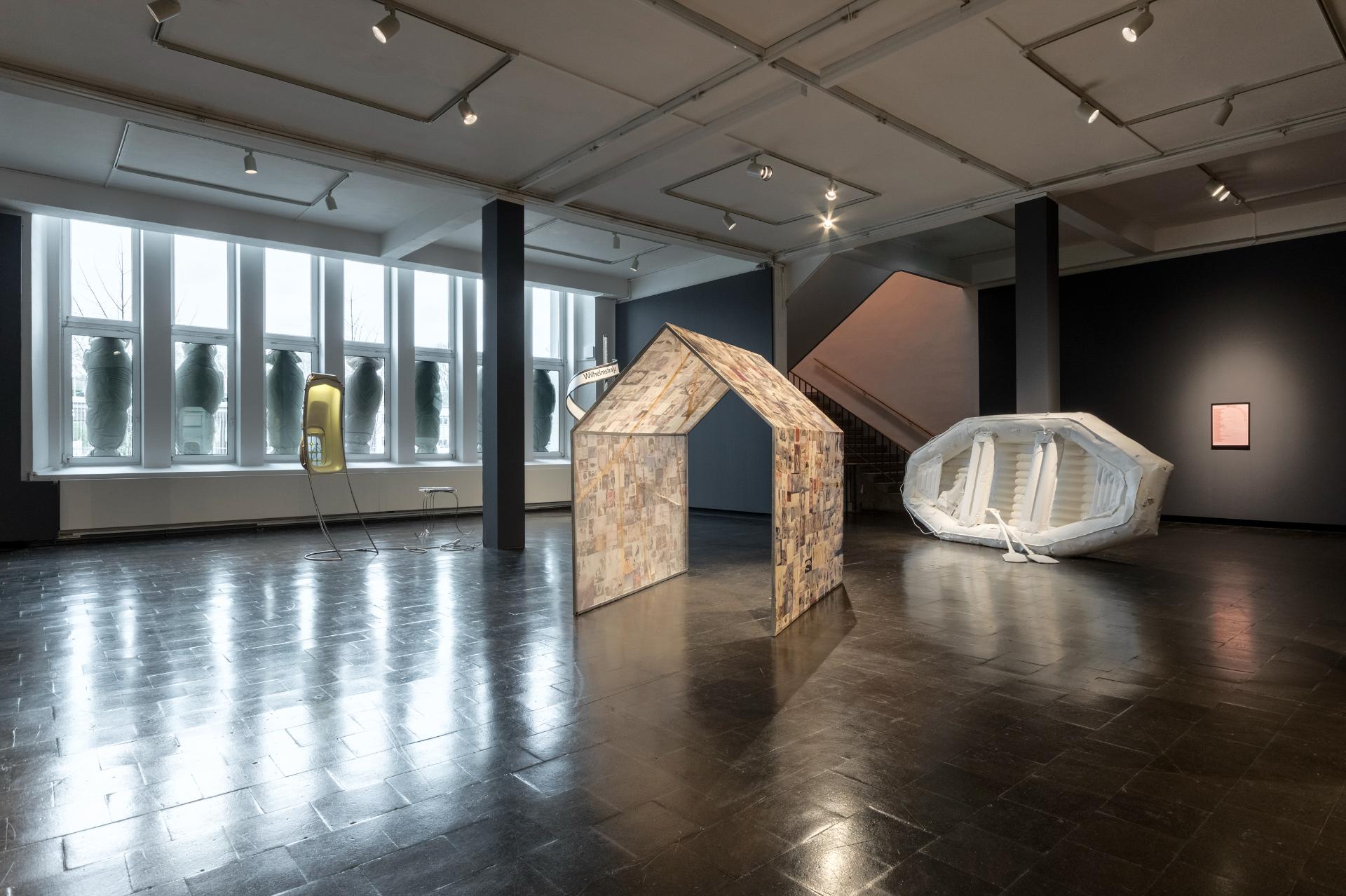
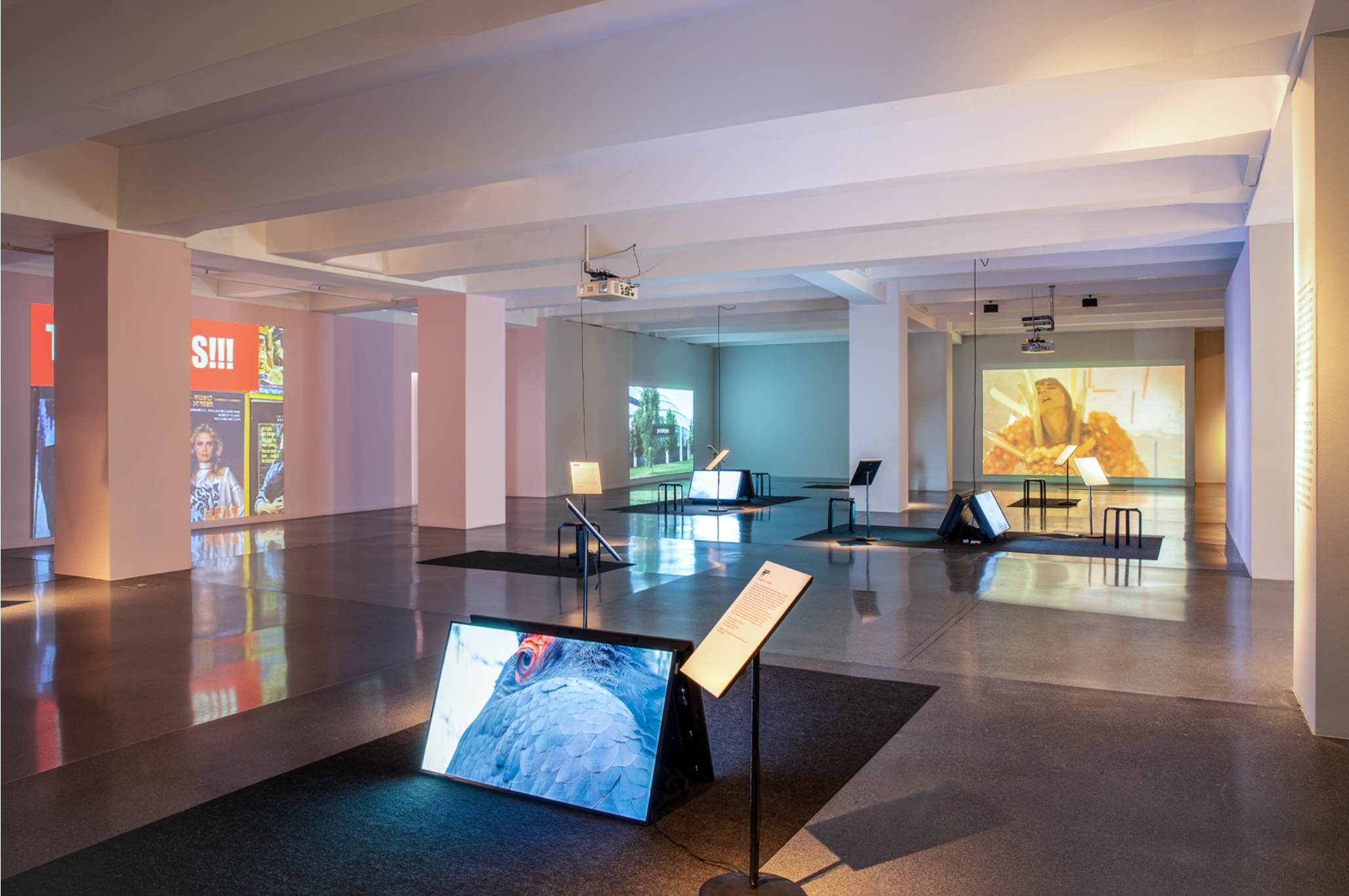
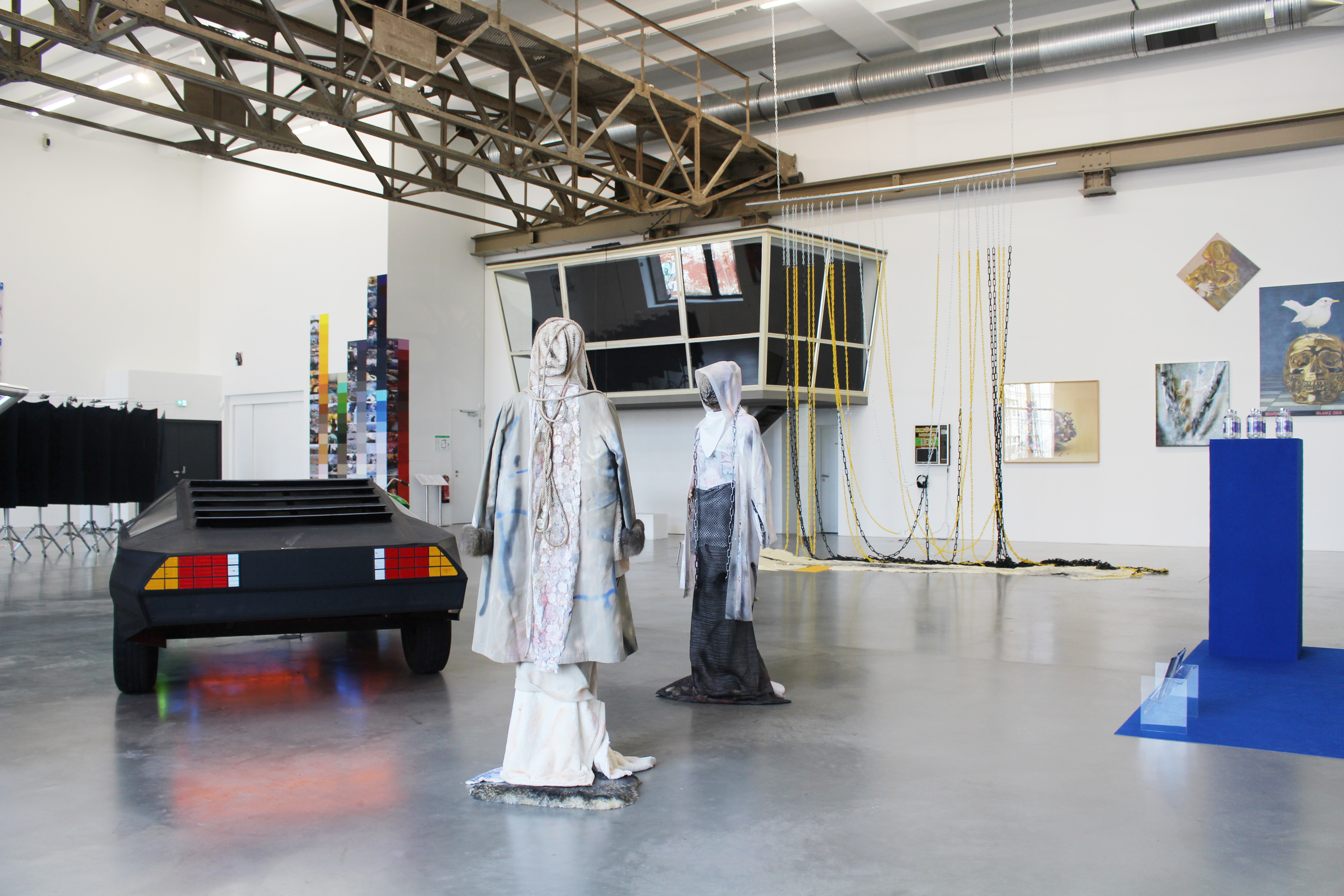
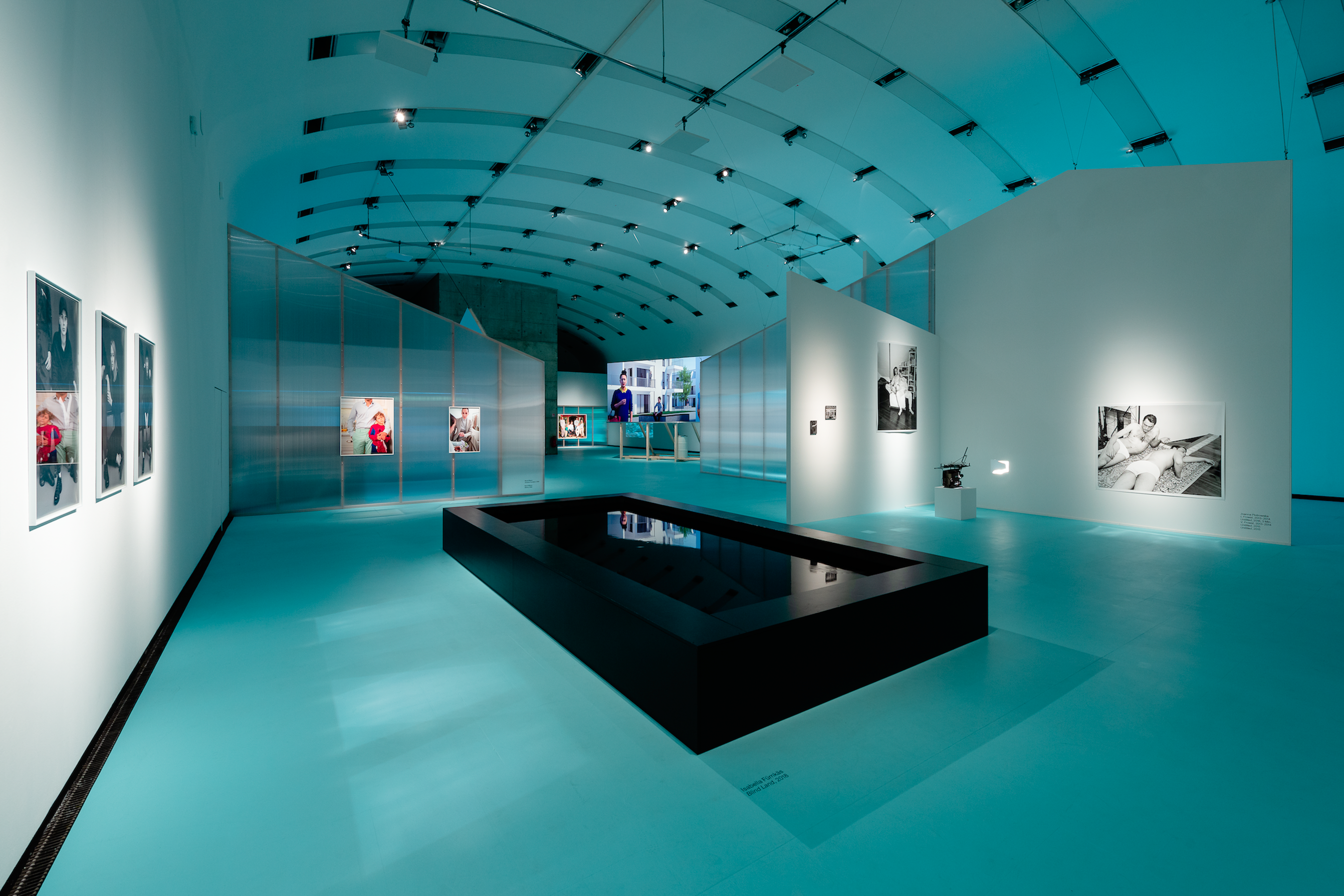
At a time when art has become omnipresent in public space, becoming more important for cities and society, the exhibition ON THE CURRENTS OF THE CITY seeks to examine the current state of publicness. Deliberately located inside the museum, it questions the public in itself and current forms of public life. What are its current formats, how does it look today? What conditions or requirements are implied in the word “public”? How has the democratic idea of the public changed in the current context of a strictly economically organized society? Does the public still consist in its common space or are members of this society driven by (self-)disclosure alone? Where can we find opposition, spaces of rest or the counter bearing of intimacy given the totality of public life in social media, networks and data archives? How can we picture public segments, parallel societies and professional discourses that question this totality, perforate or transform it?
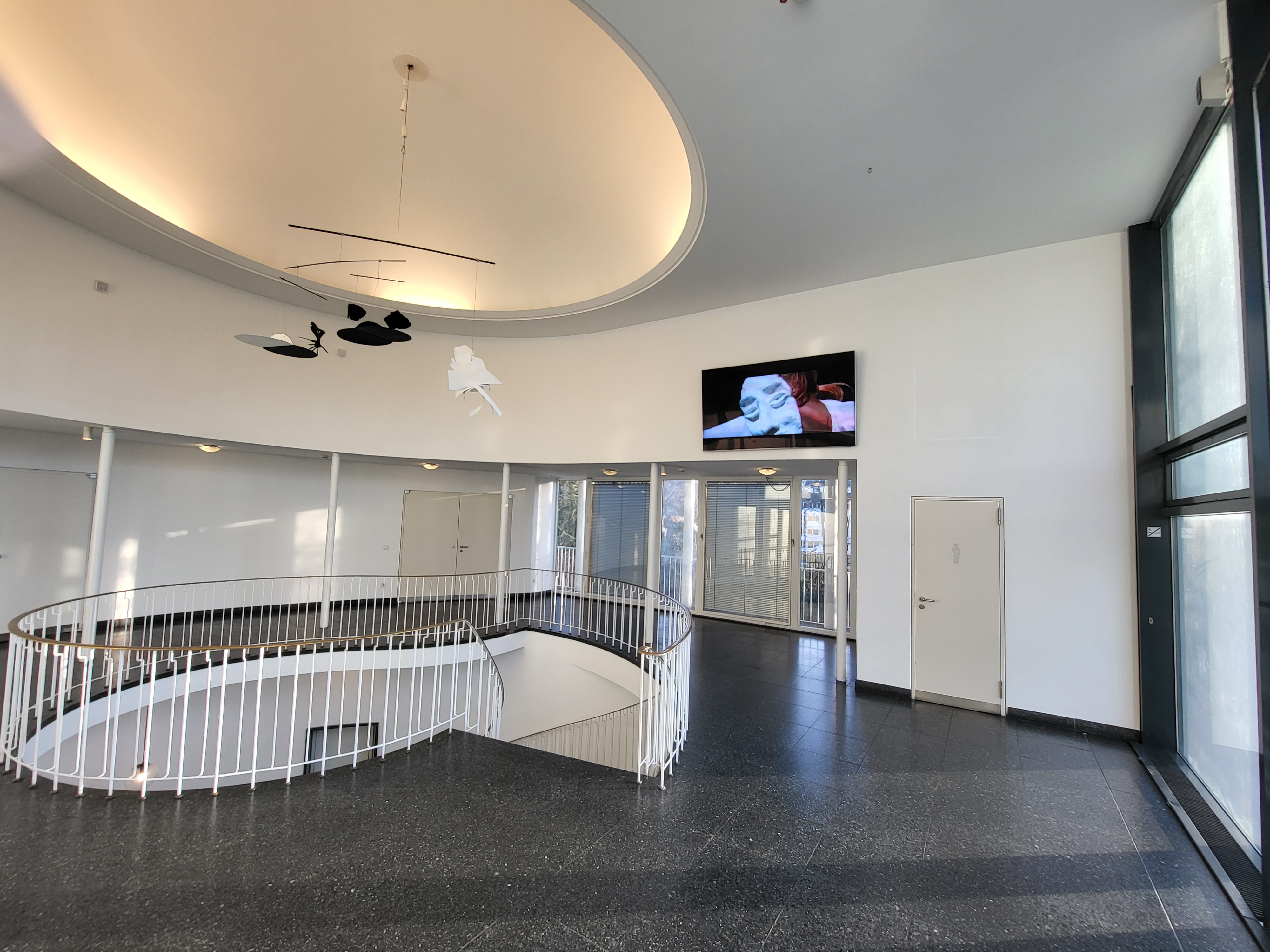
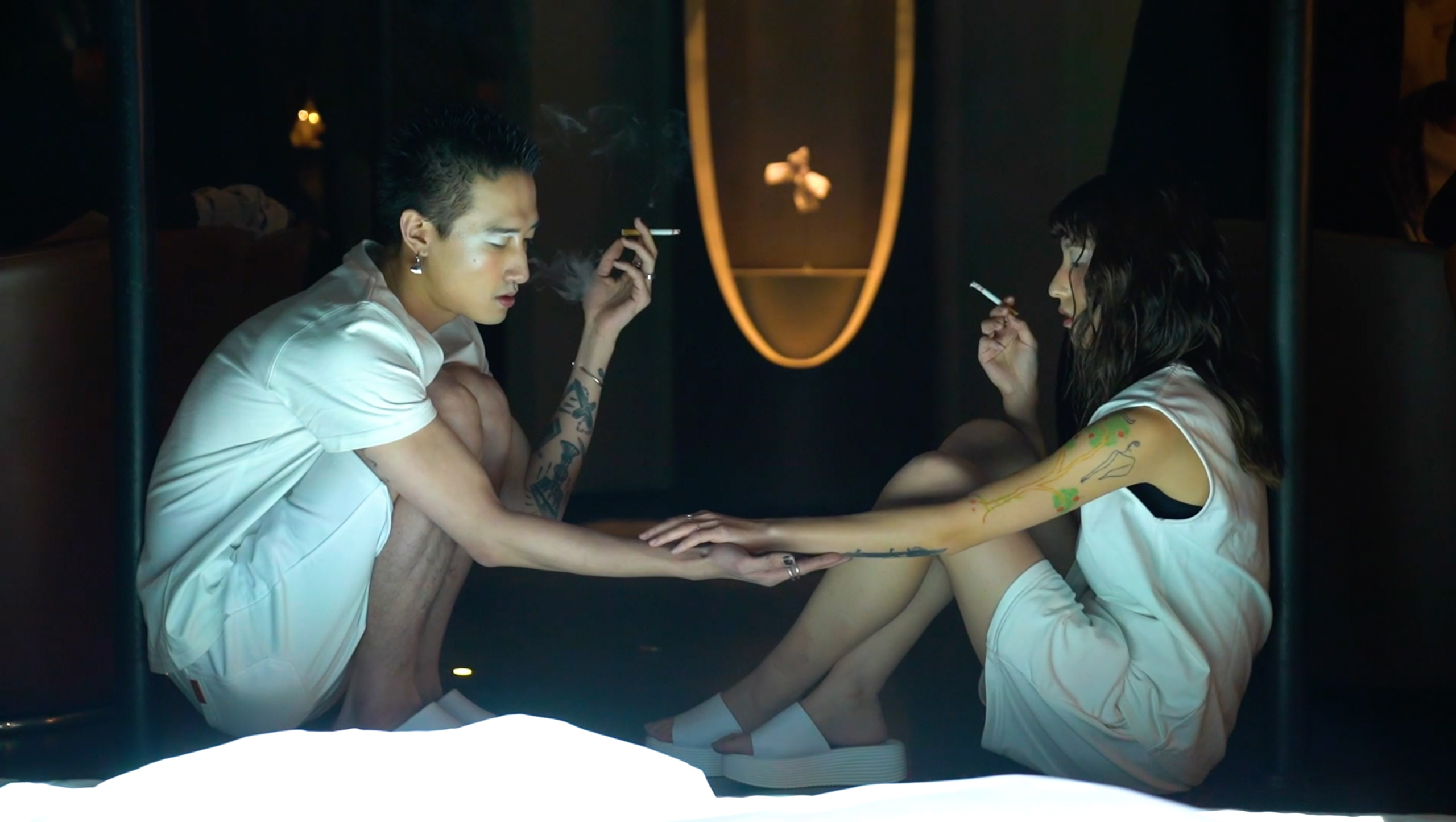
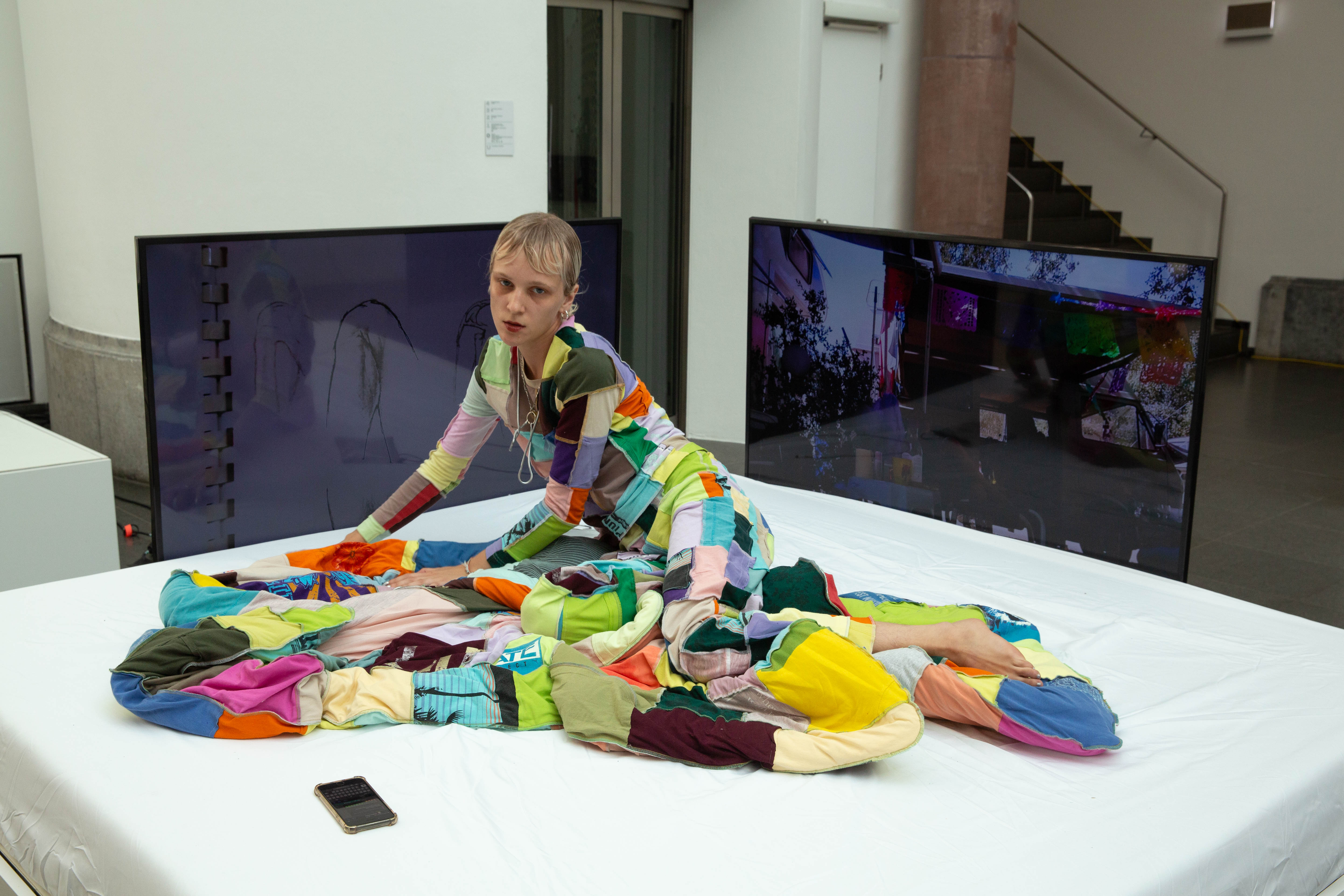
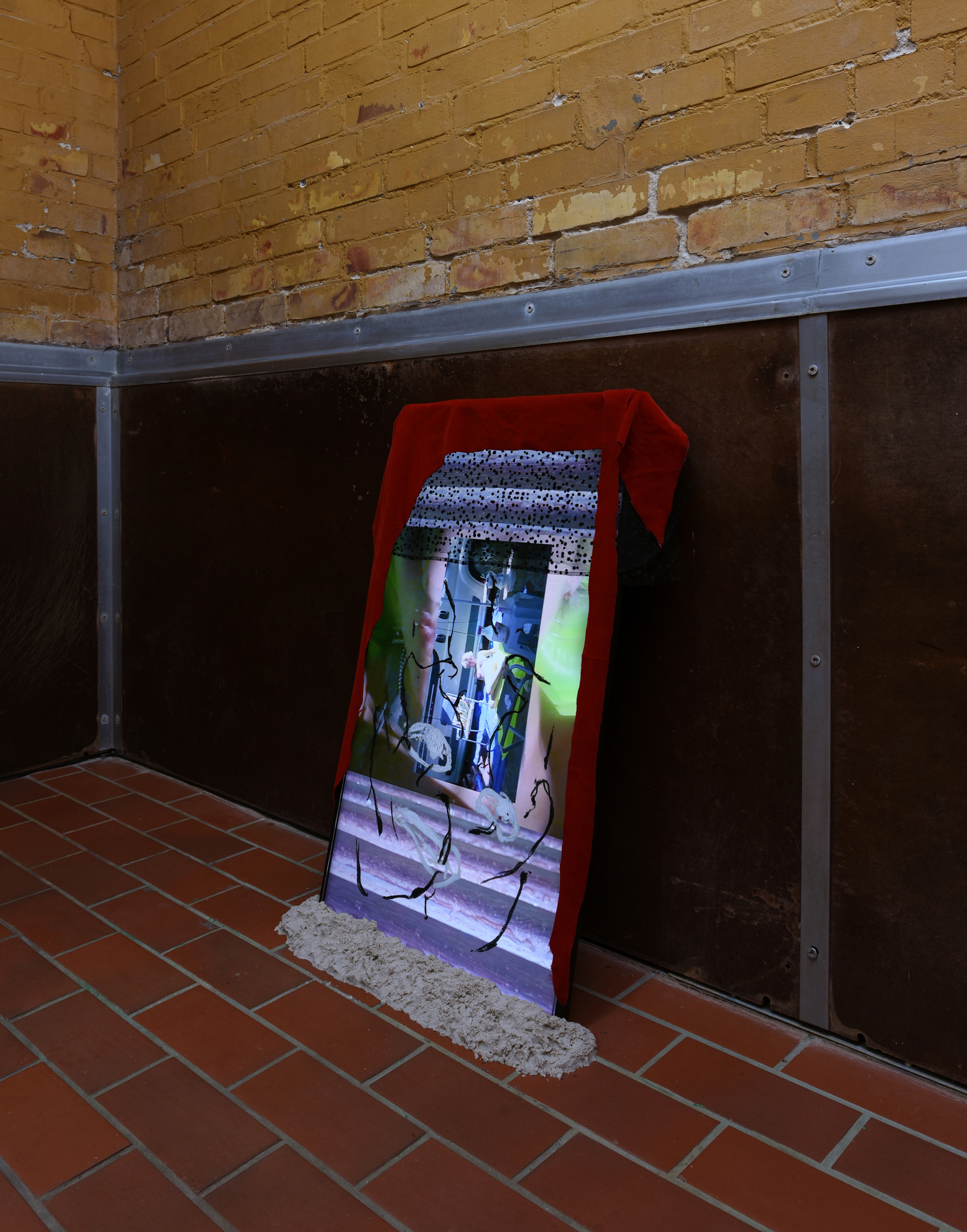
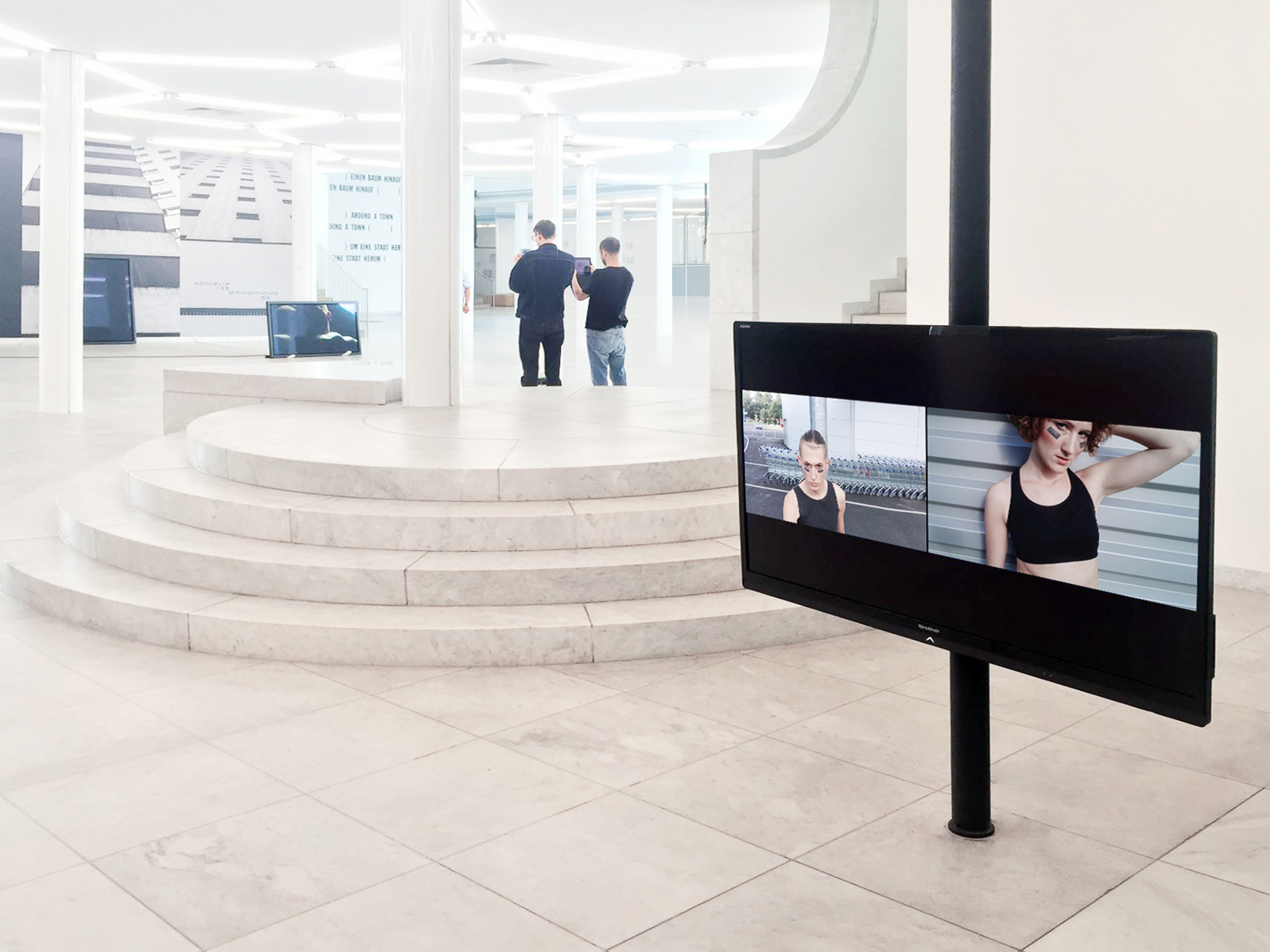
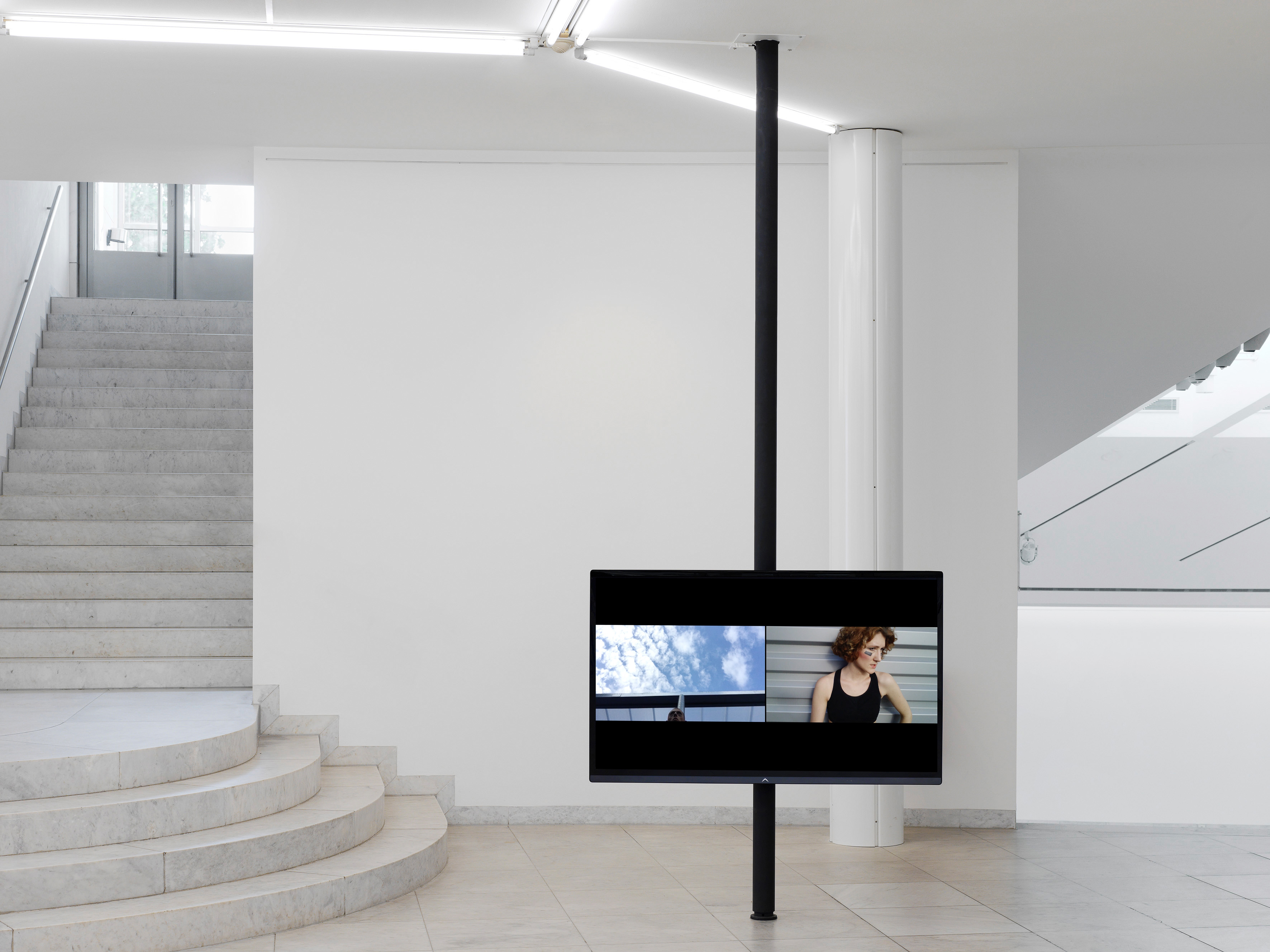
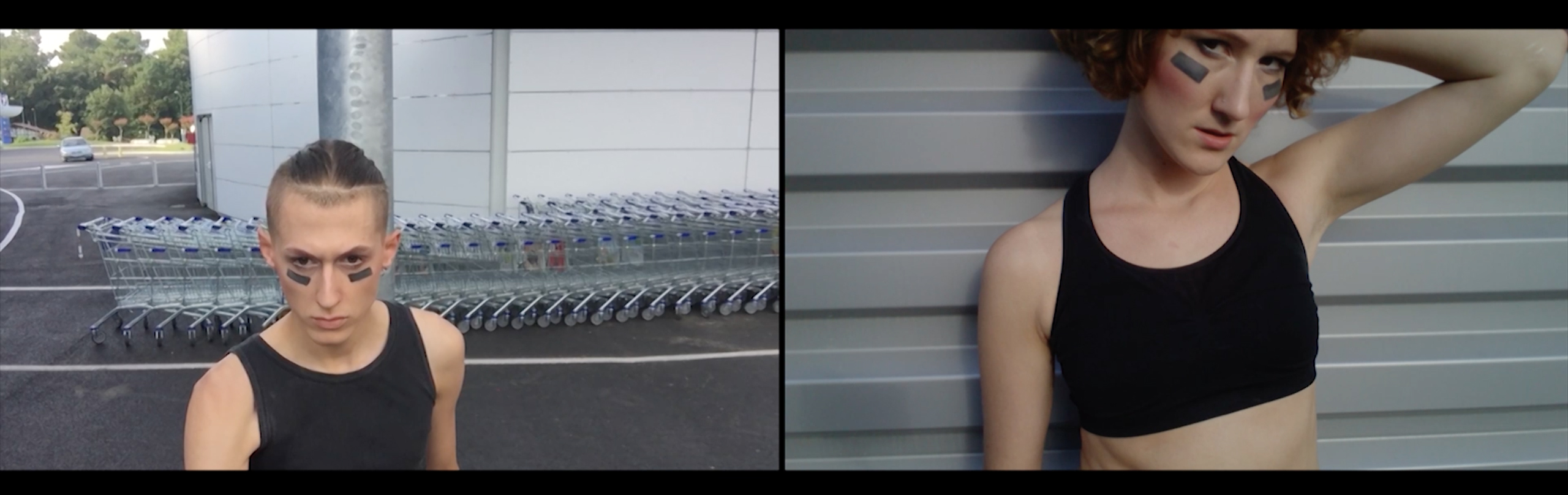
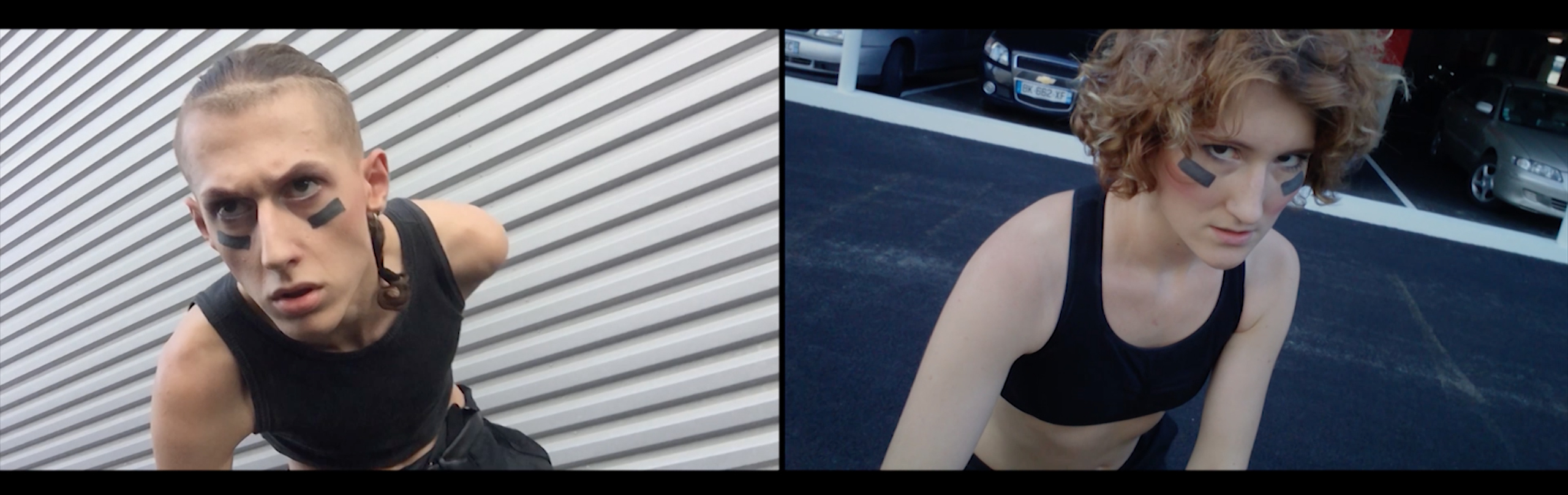
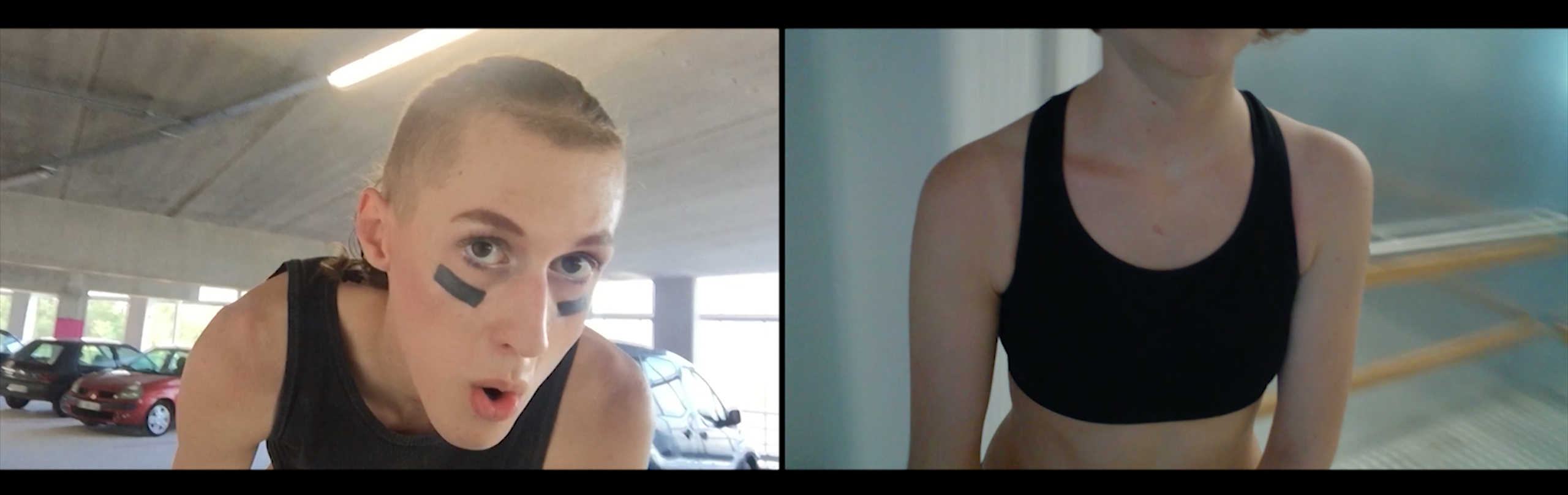
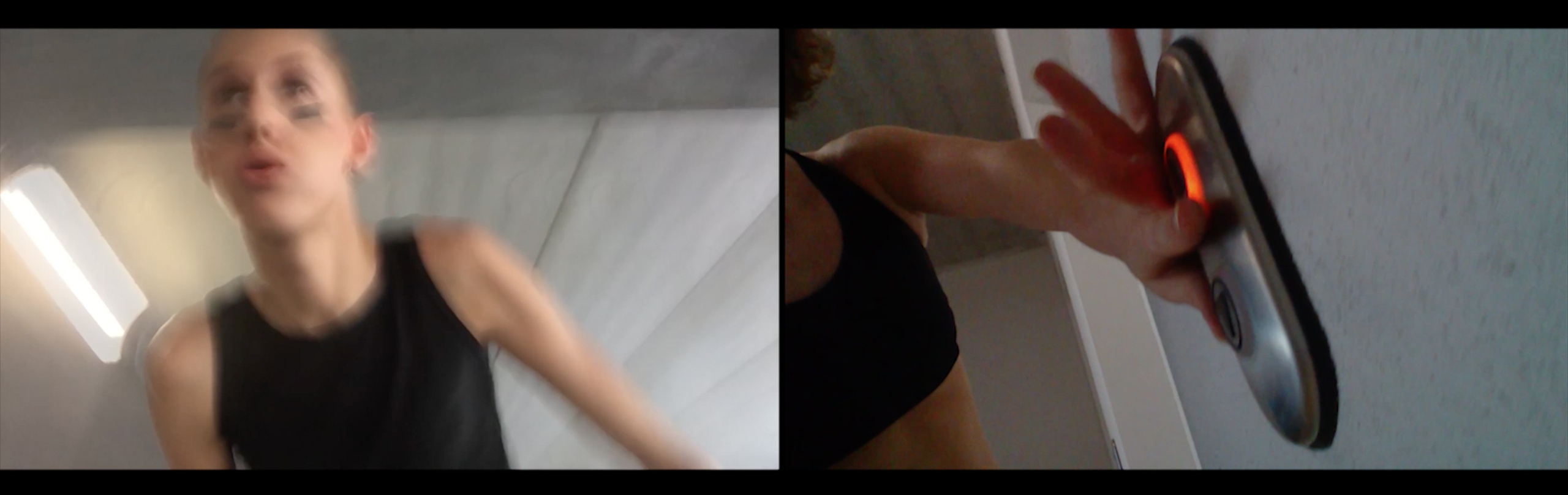
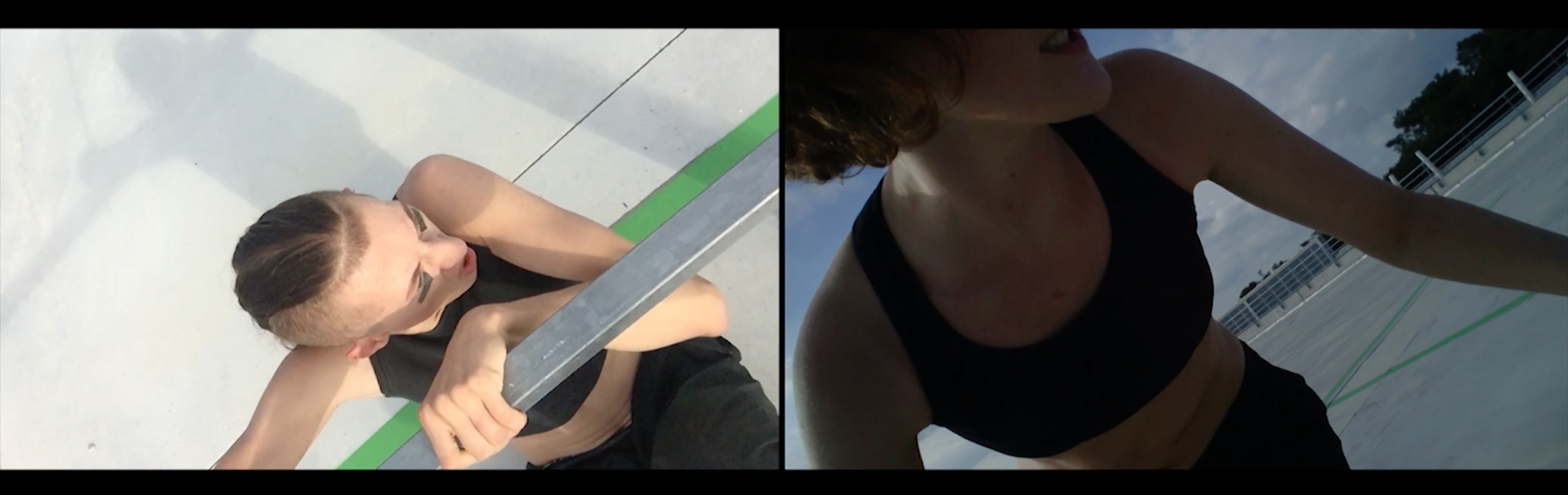
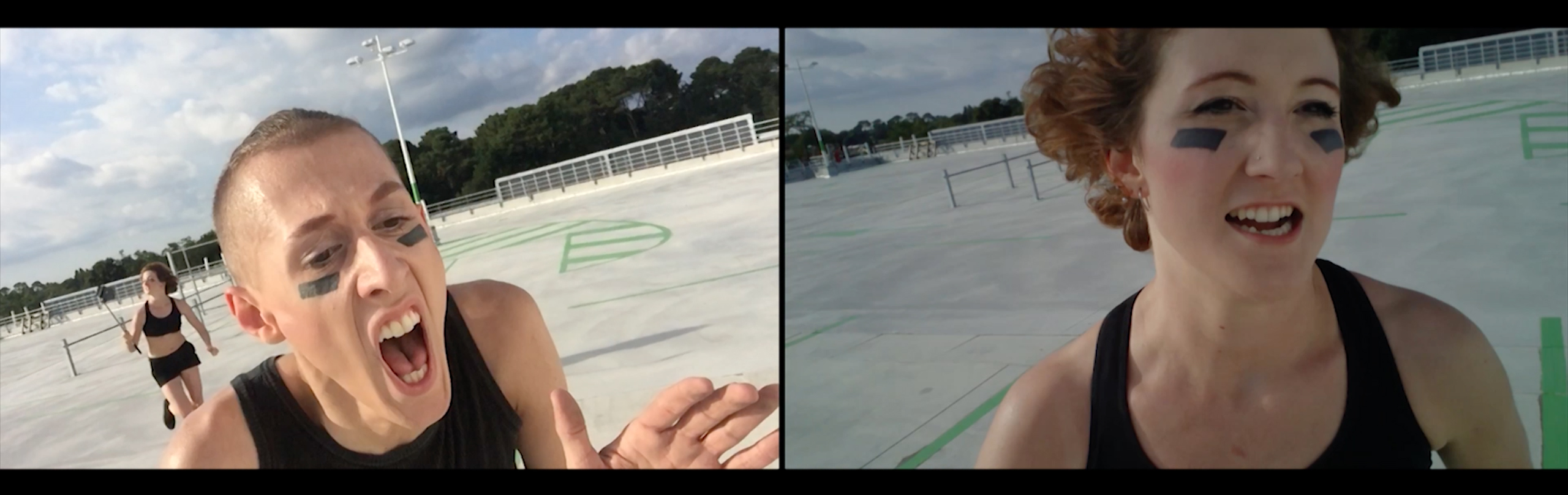
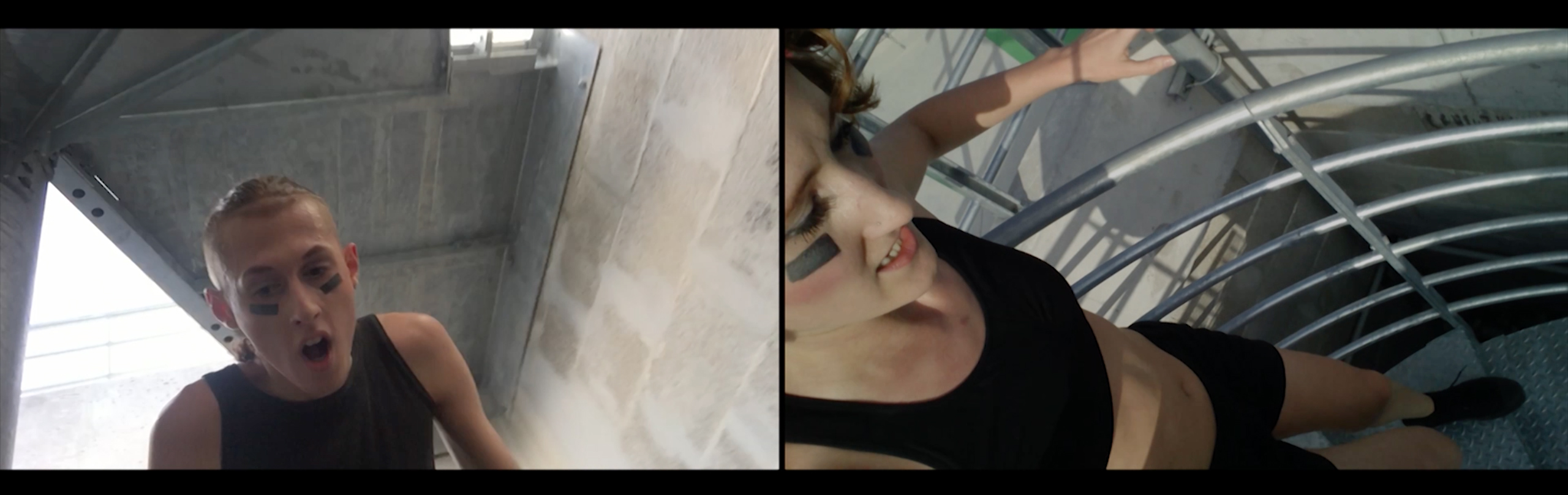
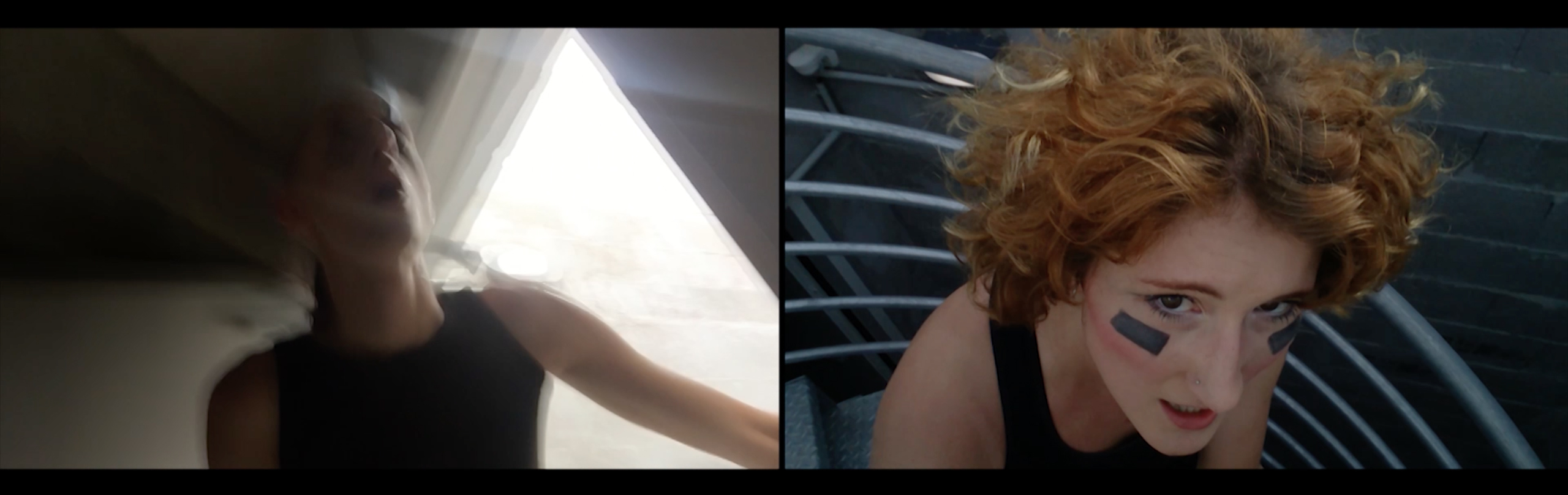
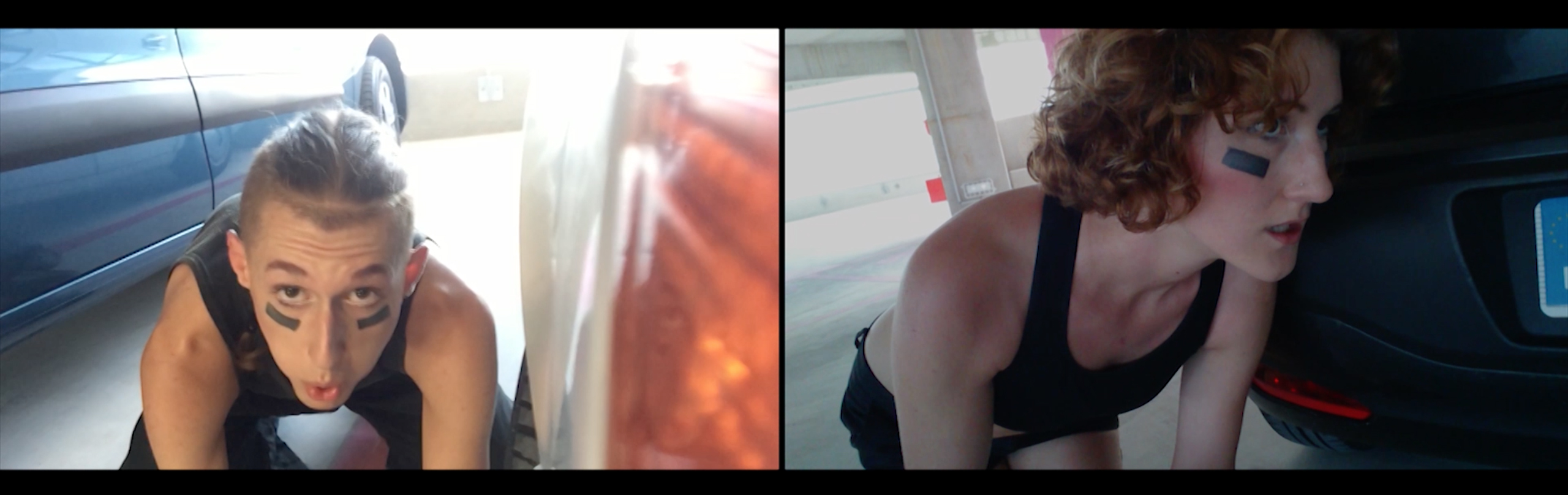
Isabella Fürnkäs and Lukas von der Gracht stage a hunt through urban space in a hybrid adaptation of a gameplay mission and smartphone selfie with a well-chosen setting and carefully devised costumes. Both the gray concrete parking garage backdrop and the first-person shooter garb and face-paint work as stylization devices: respectively as a fashionable setting of contemporary culture and as an attempt to approximate the smooth sterility of video-game animation aesthetics. While it normally takes a lot of effort to render virtual-reality aesthetics that are accurate with regard to the facts of material reality (that is, artificially generating an illusion of the world inside the museum), the material reality aesthetic here seems to be seeking the illusion of an animated (that is, virtual, not actual) referent. And on this level, finally, the parking garage together with the pacing camera inside of it are ultimately a metaphor, in which two protagonists chase each other and move through a self-contained space that is like a Möbius strip – a bubble or capsule, as if it had no exterior. The split-screen projection from the smartphone cameras is an interesting update of the closed-circuit thematic of conceptual filmmakers of the 1960s and ’70s ; their camera, posed as both a mirror and a competing reality, has now become a facet of everyday life.
The exhibition raises these questions in conversation with a young generation of artists under 35. It offers a look into a future that – like the collective idea of the public – also appears pressured by the ever-present avant-garde archive, backwards glances and repeated modernist discourses. The notion that young artists might perceive and reflect the importance of the public under completely different circumstances than those of the currently dominant generations also evokes the idea of intervals of renewal and “updating” within society. The question as to what hand this new generation will have in designing the future in which they will live has logical relevance for the 50+ generation, and to a collective understanding of society in particular.