Shows
-1.jpg)

![Metamorphoses of Control [Catalogue launch]](https://media.isabellafuernkaes.com/Isabella_Fuernkaes_Mouches_Volantes_Metamorphoses_of_Control_2022_00001.jpg)




definitively_Goeben_Berlin_2020_00003.JPG)


Klassenverhältnisse – die zweite Staffel
Place: Kunsthaus NRW
Date: -
Artists: Jan Albers, Heike Kati Barath, Maximiliane Baumgartner, Tim Berresheim, Alexandra Bircken, Heinrich Campendonk, Tony Cragg, Natalie Czech, Paul Czerlitzki, Danica Dakić, Thomas Demand, Jan Dibbets, Tatjana Doll, Ayşe Erkmen, Andreas Fischer, Christian Freudenberger, Katharina Fritsch, Sabrina Fritsch, Albrecht Fuchs, Isabella Séville Fürnkäs, Isa Genzken, Dominique Gonzalez-Foerster, Ludger Gerdes, Martin Gerwers, Nicolas Grafia, Andreas Gursky, Georg Herold, Franka Hörnschemeyer, Benjamin Houlihan, Uschi Huber, Alfonso Hüppi, Magdalena Jetelová, Anna K.E., Hubert Kiecol, Martin Kippenberger, Karin Kneffel, Gereon Krebber, Konsortium, Dieter Krieg, Markus Lüpertz, August Macke, Ewald Mataré, Wilhelm Mundt, Albert Oehlen, Markus Oehlen, Gerhard Richter, Thomas Ruff, Judith Samen, Klaus Schmitt, Gregor Schneider, Berit Schneidereit, Fritz Schwegler, Thomas Schütte, Rosemarie Trockel, Cornelius Völker, Christopher Williams, Timm Ulrichs, among others
Curated by: Marcel Schumacher
Works: The Desiring Machines
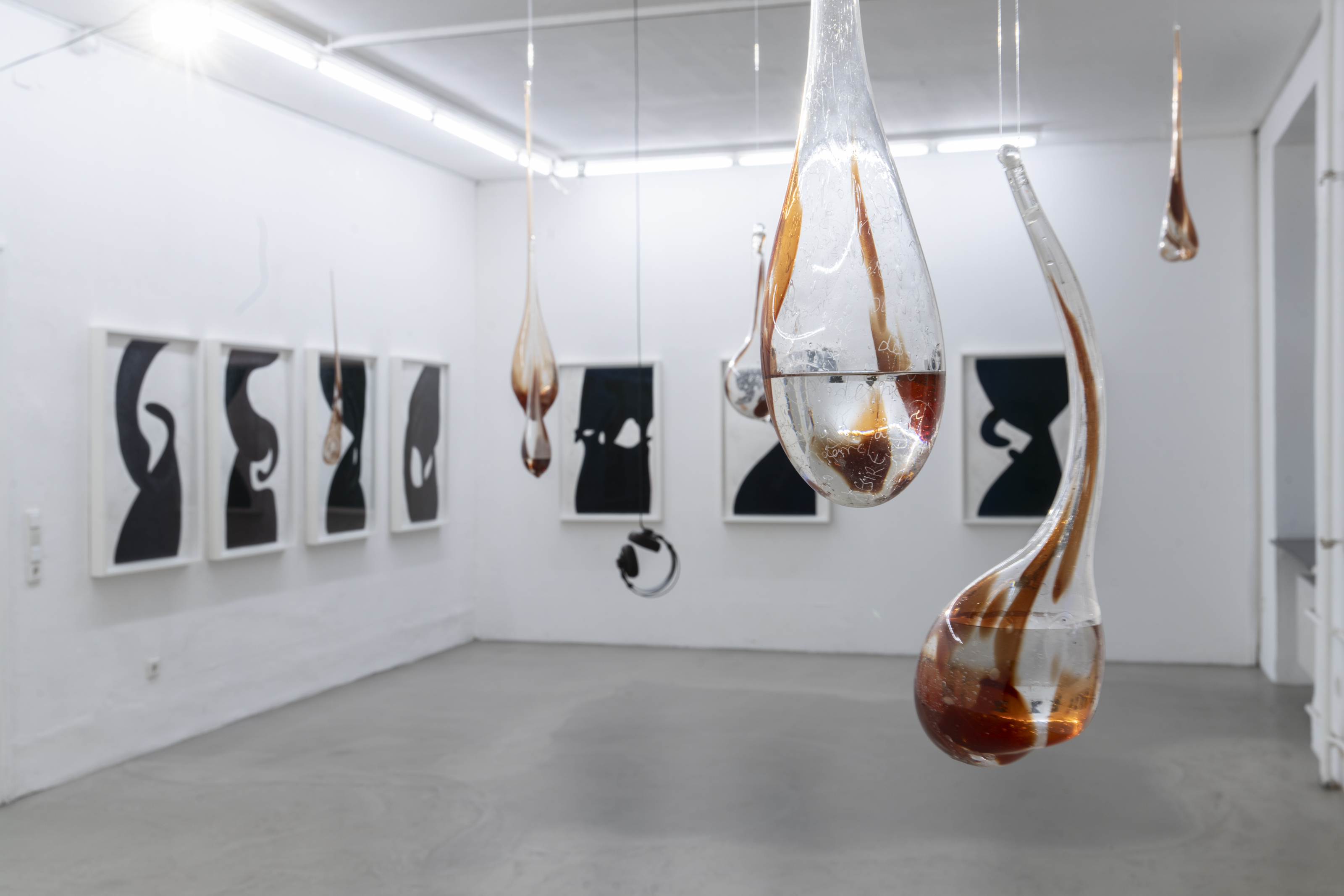
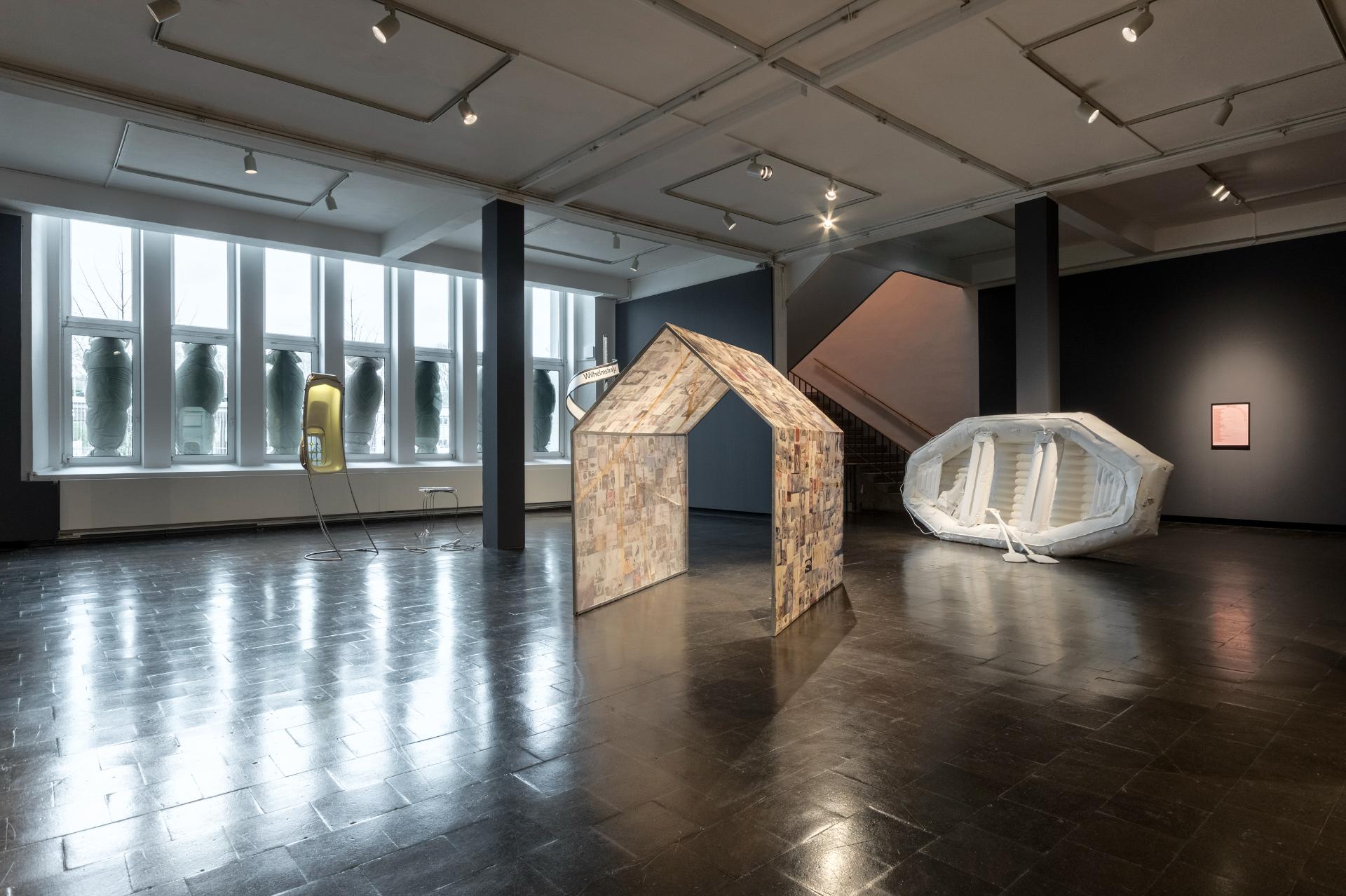
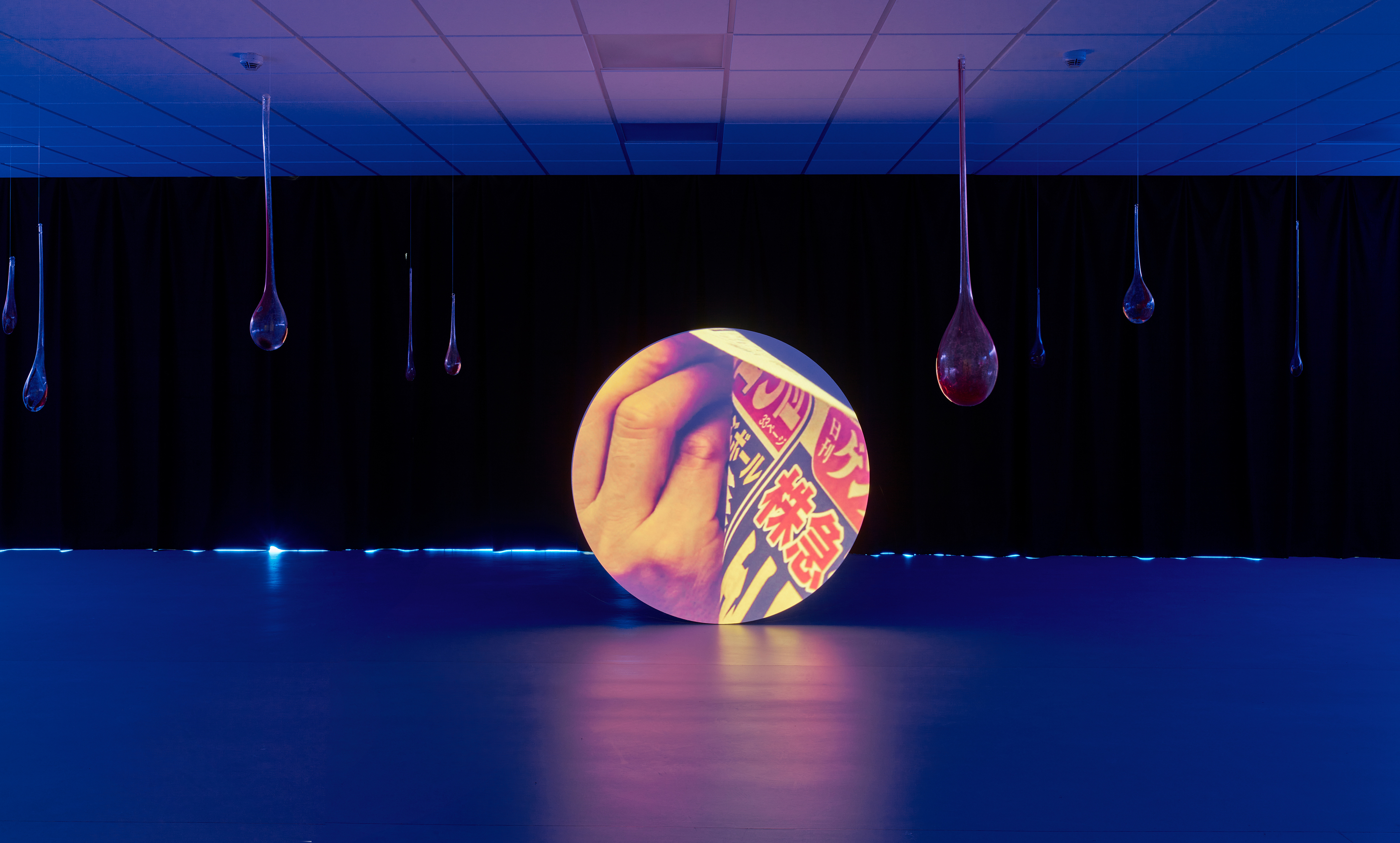
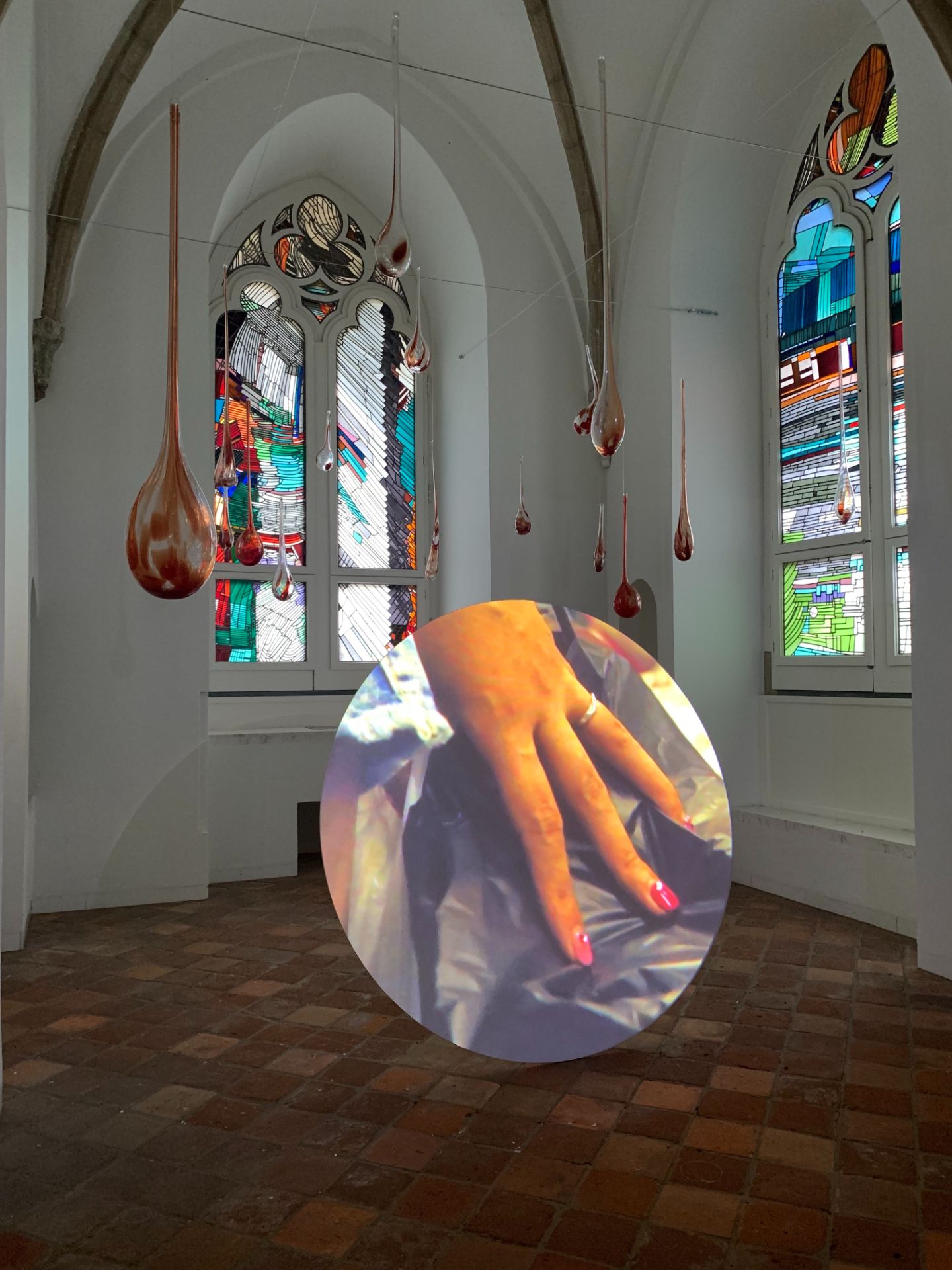
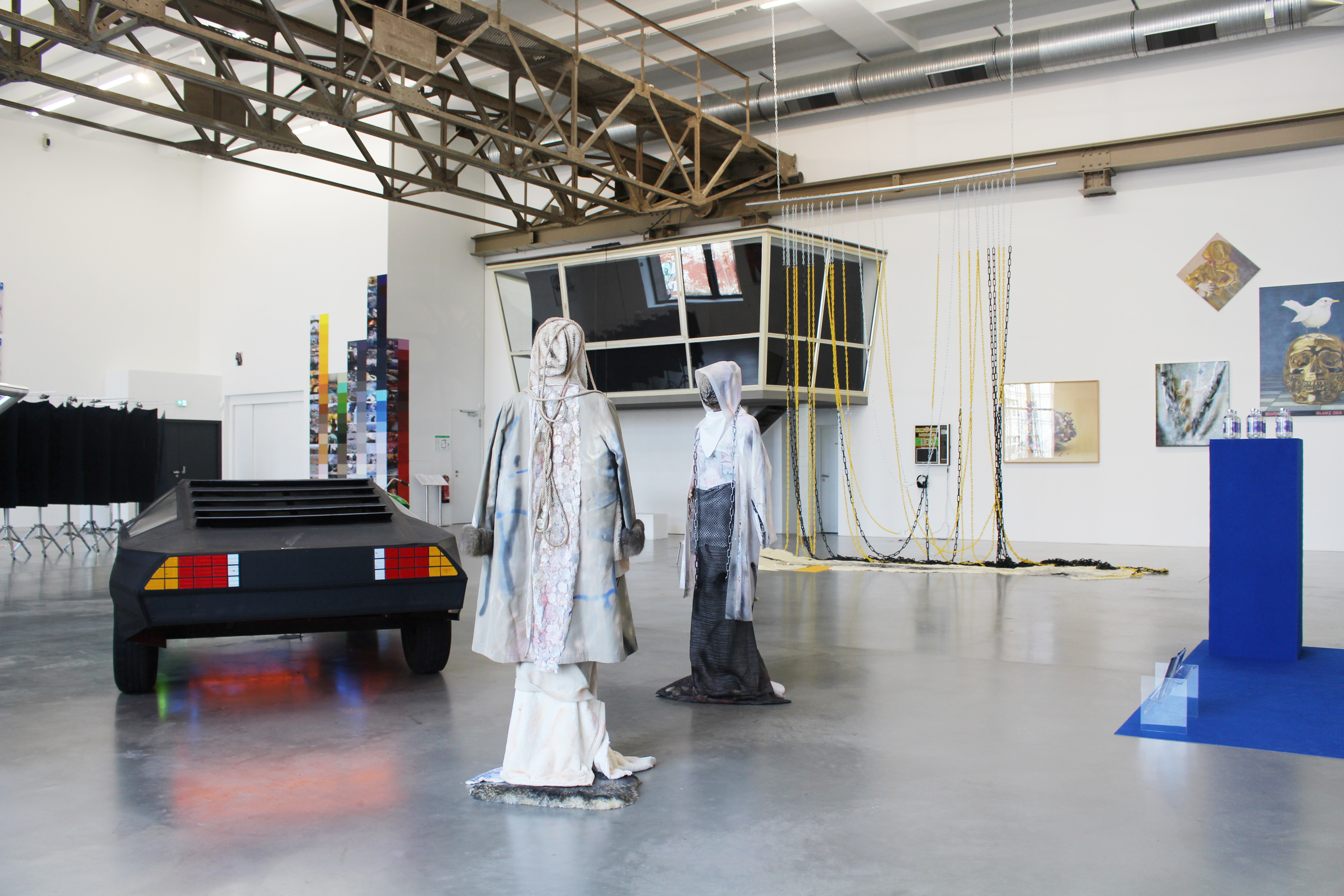
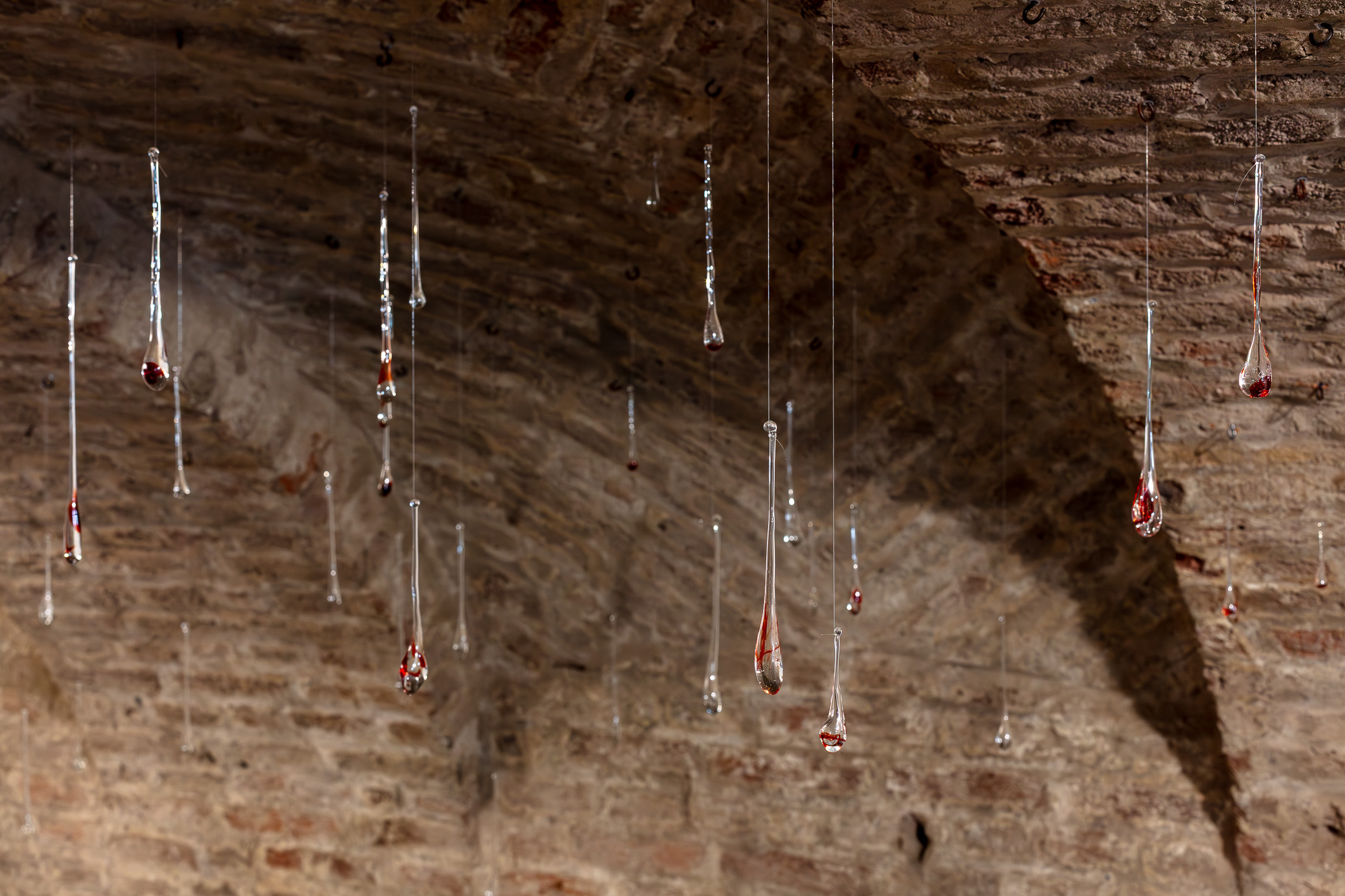
In the exhibition Klassenverhältnisse - die zweite Staffel Isabella Séville Fürnkäs presents works from the series The Desiring Machines. Visitors can look forward to around 130 works from the museum’s own collection, selected loans from the Akademie-Galerie Düsseldorf, a listening station by the Audioarchiv Kunst, and our new “Studio of Perspectives.”
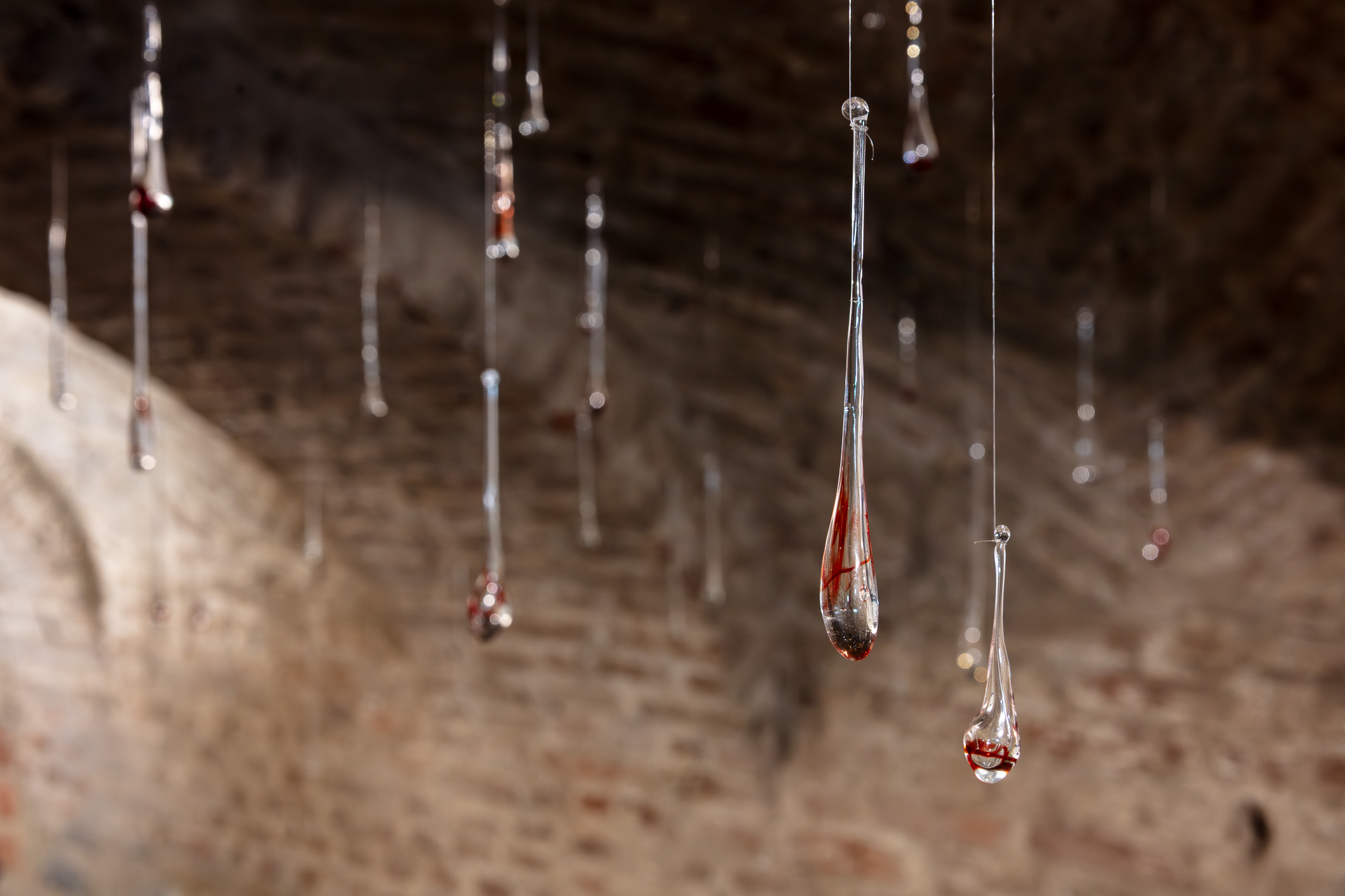
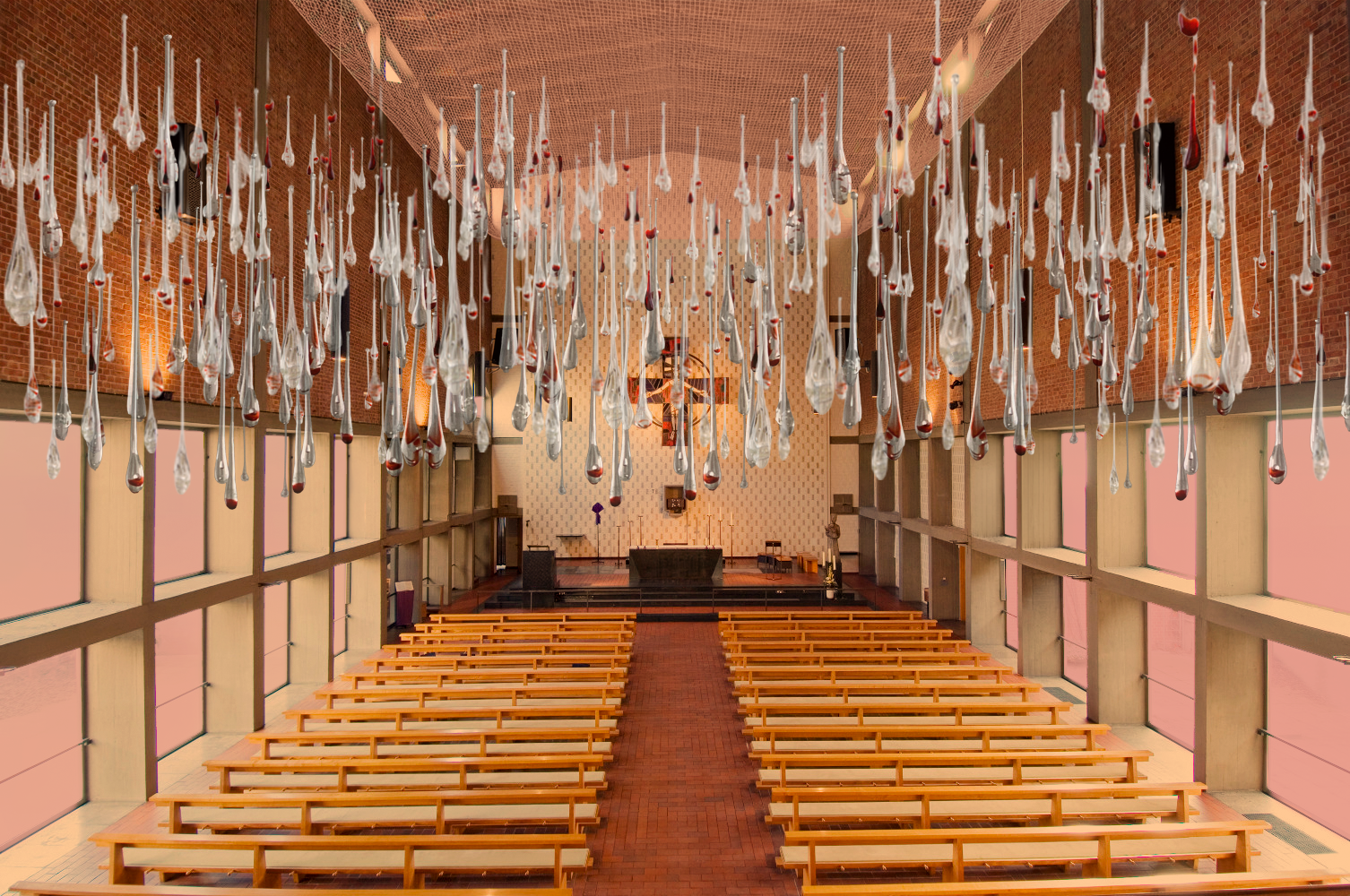
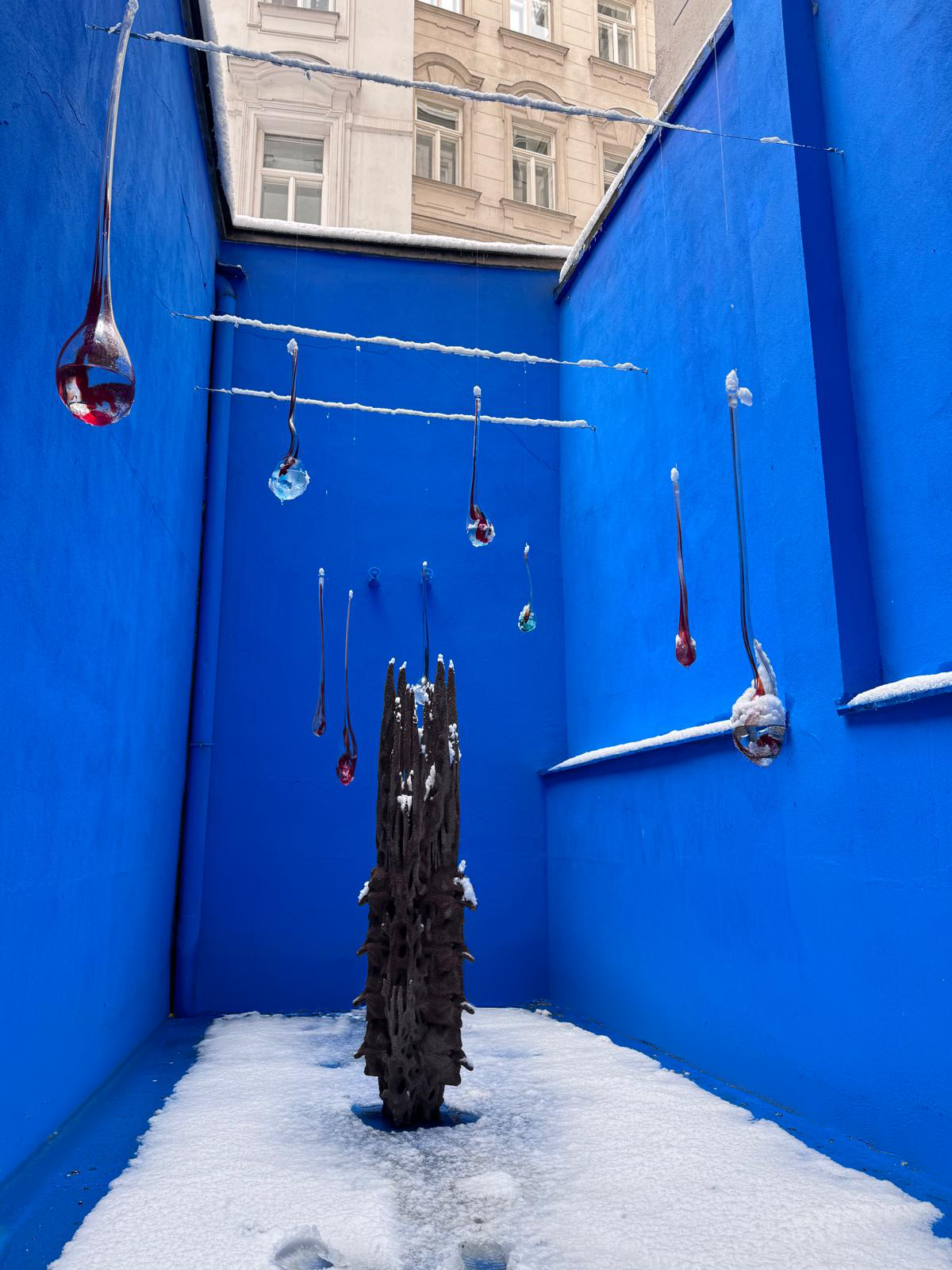
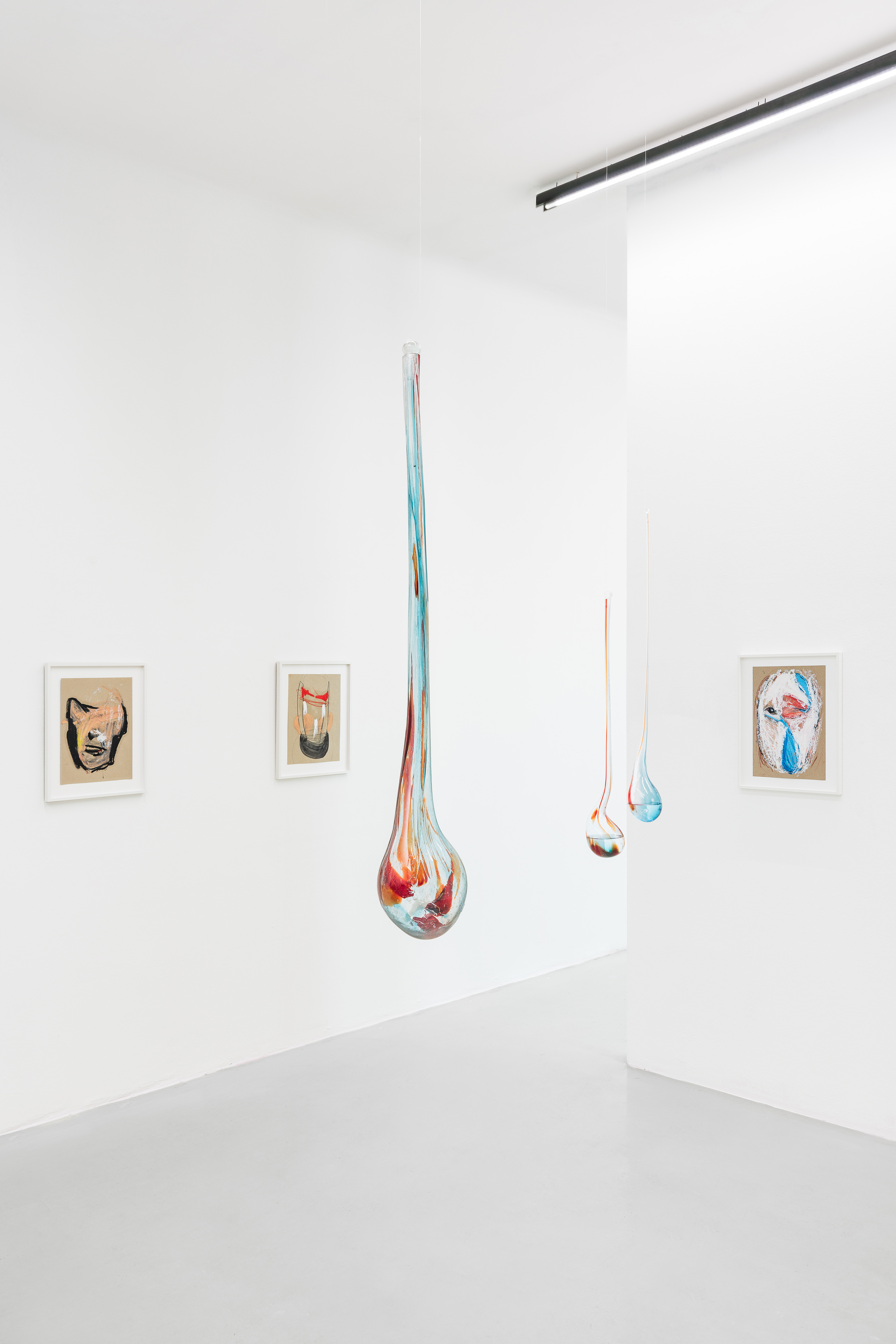
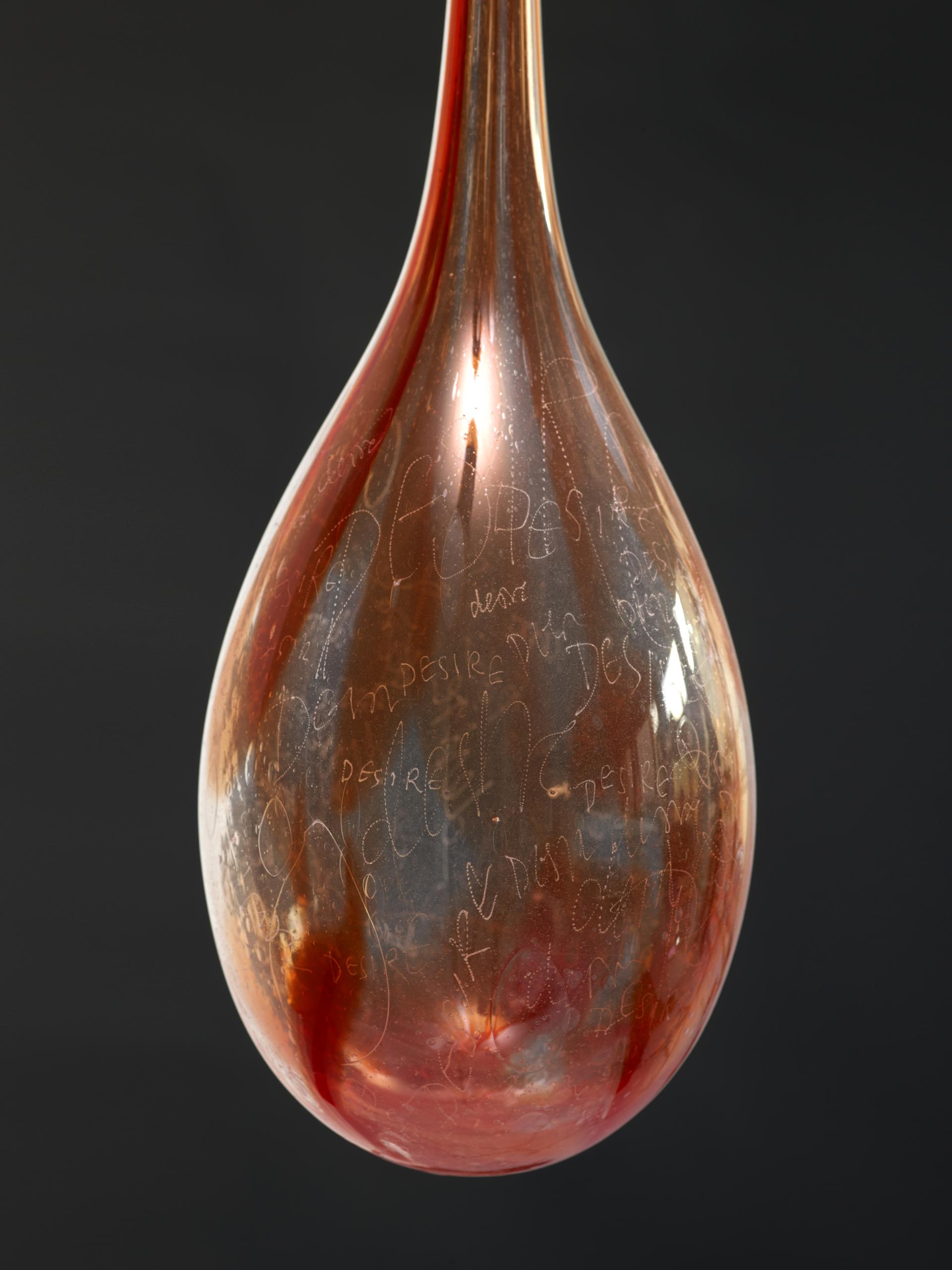
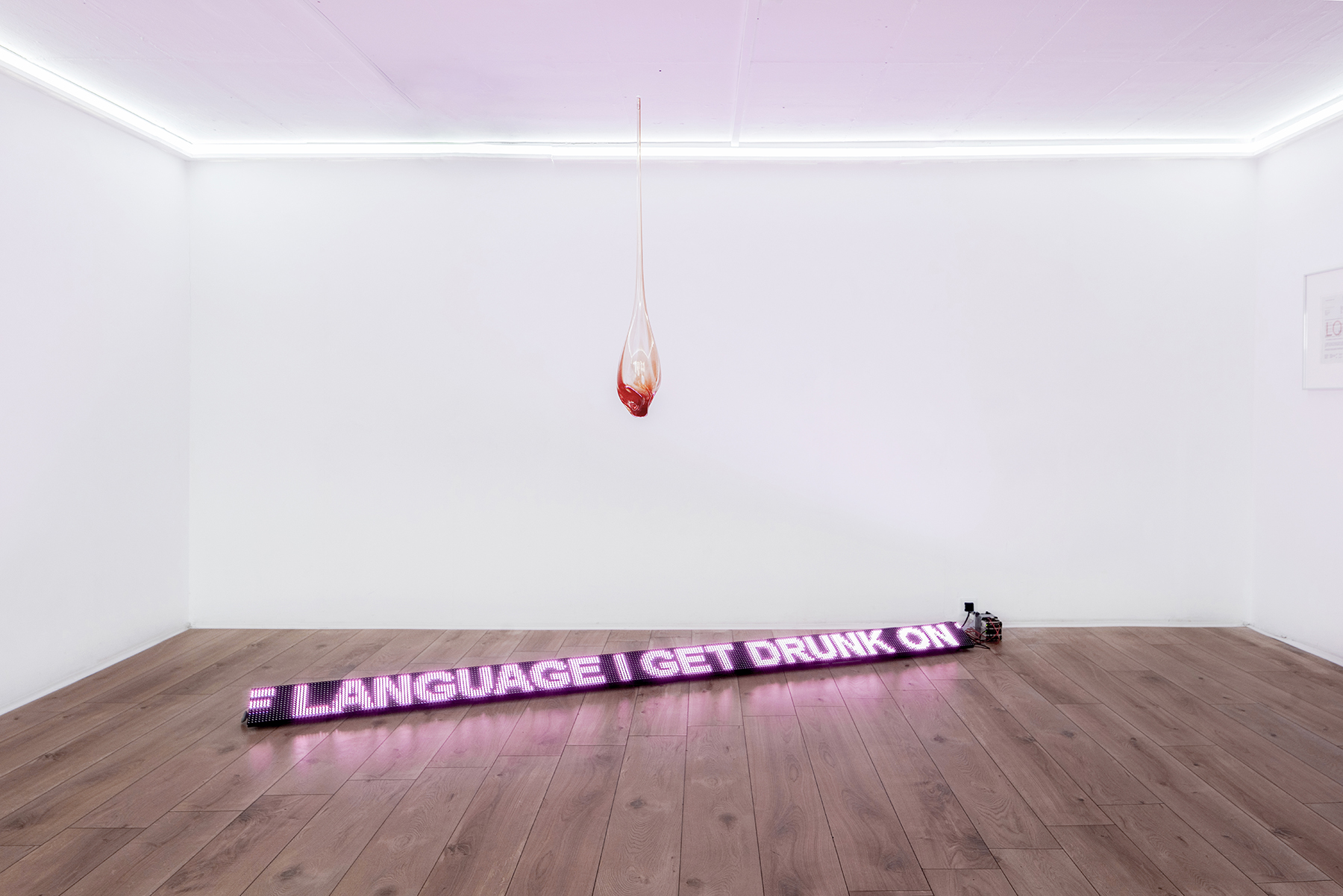
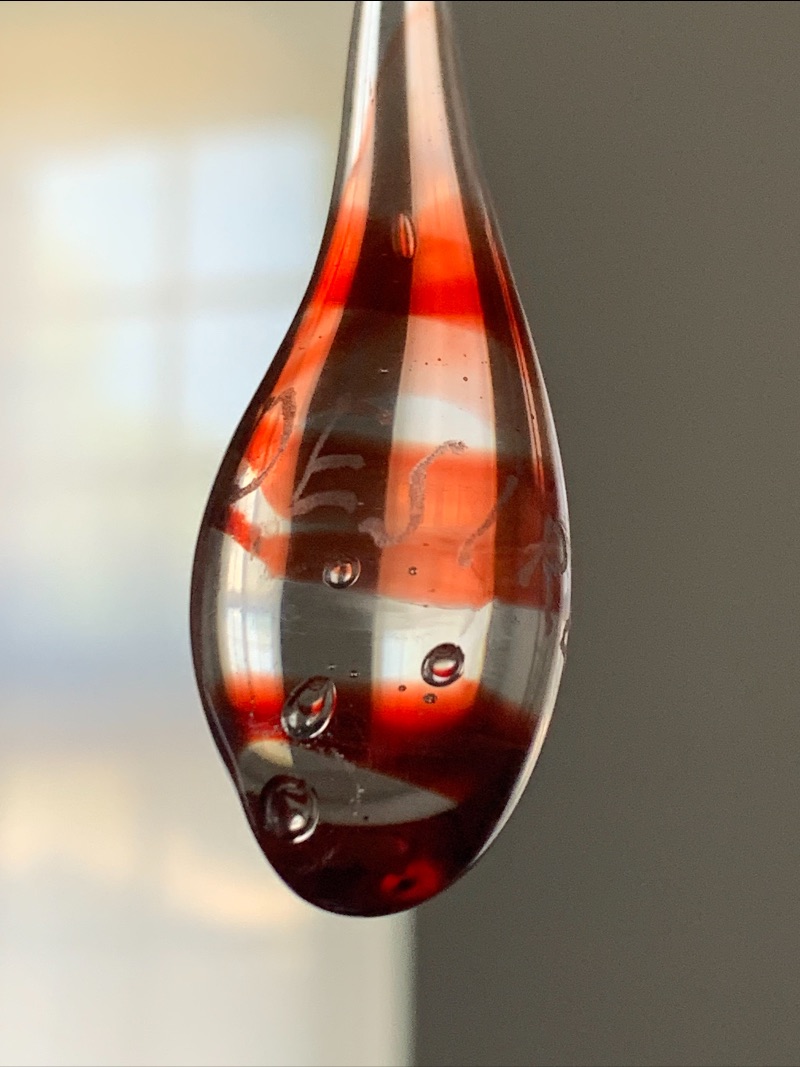
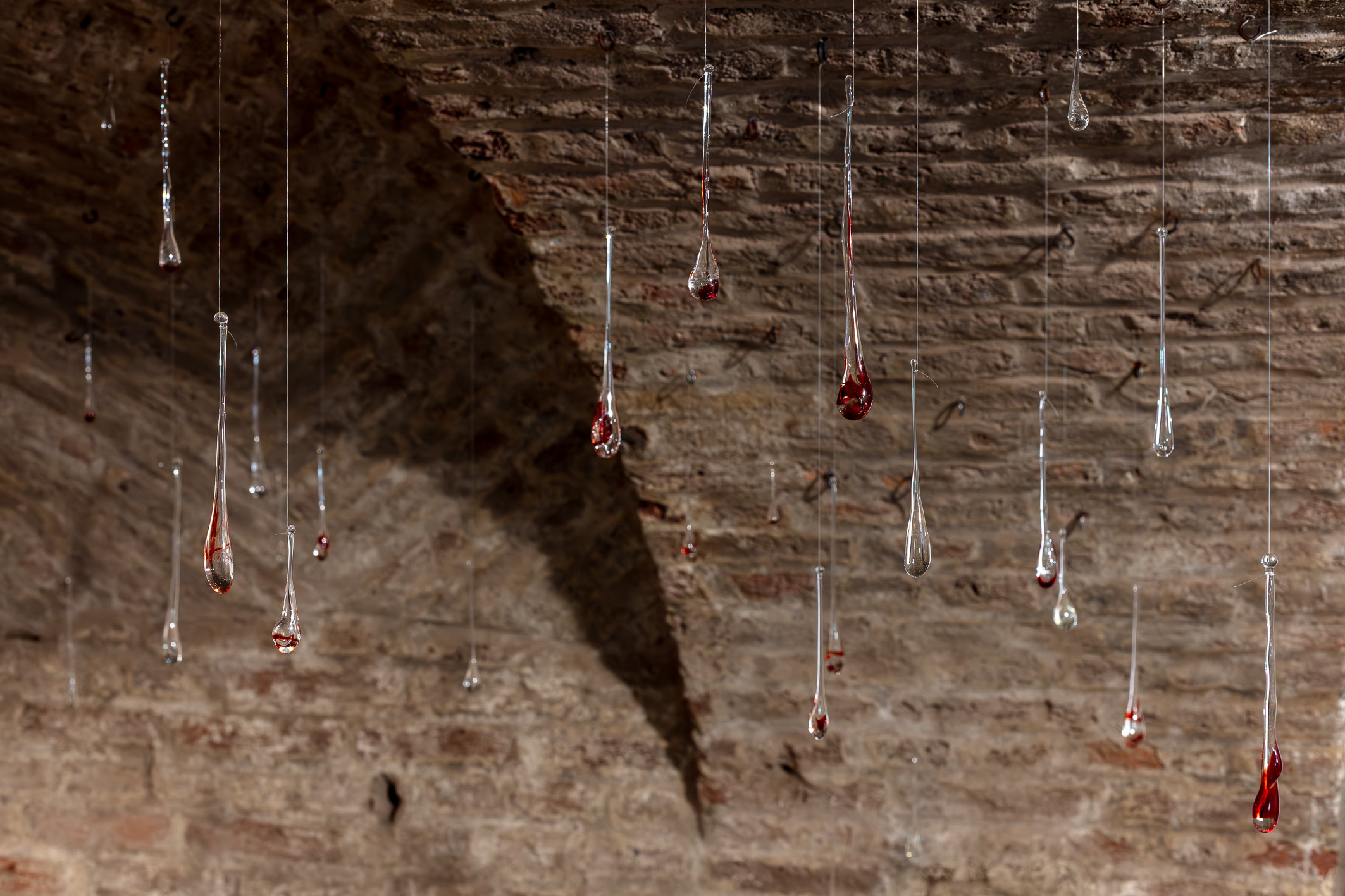
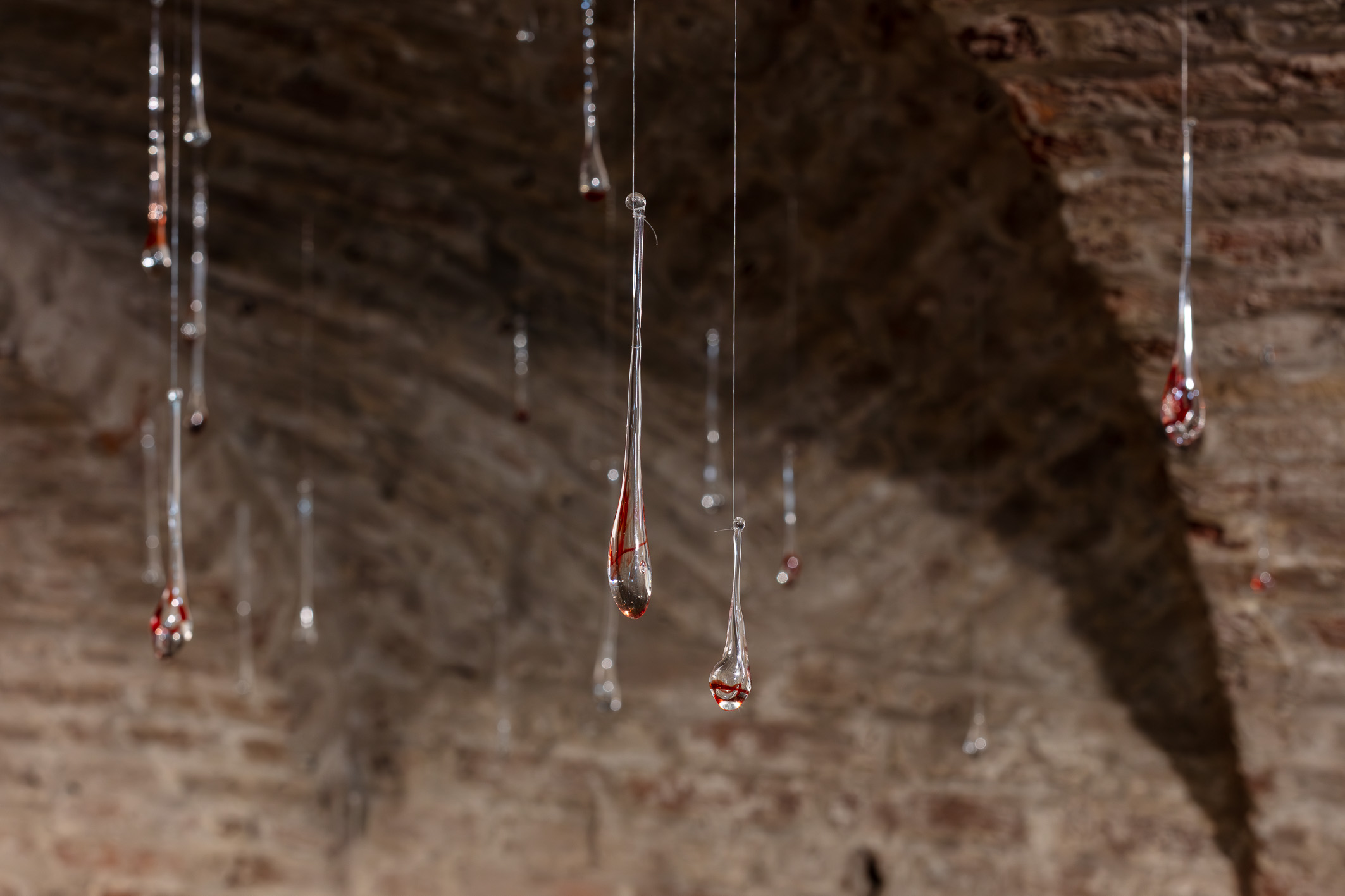
The Desiring Machines (2020) — acquired in 2021 by the Kunsthaus NRW — consists of 220 individual mouth-blown ruby-red glass drops inscribed with handwritten engraved words. Fürnkäs explores the physical interstices between human and machine, masculinity and femininity. Drawing on Anti-Oedipus by Gilles Deleuze, she incorporates quotations that address the fluid processes of the body, its circulation, and its needs. The mind of the viewer and listener itself becomes a vessel in which a fluid web of its own thoughts emerges. The floating, tranquil glass droplets appear to transform into fundamental human sensations, questioning their material nature. One thing is certain: we are not our feelings — they are merely a fragment of the infinite abundance of our consciousness.
The spatial and sound installation by multi-media artist Isabella Séville Fürnkäs combines sensory experience with the exploration of abstract conceptual models. The installation’s soundtrack features excerpts from the English translation of the publication Capitalisme et schizophrénie. L’anti-Œdipe (1972, English 1983, German 1974) by Gilles Deleuze and Félix Guattari. A starting point of Anti-Oedipus is the desires of »healthy« and »schizophrenic« people in capitalist society. Over the course of the sound piece, a lyrical arc spans the processual connection between production and desire. A kind of journey begins through the human body, from its needs and movements to the complex circulation of bodily fluids. The reddish hue of some drops can evoke associations with blood. The words in the soundtrack address the journey of life and the passage of time.
What exactly is taught at art academies, and can art really be taught and learned at all? With its second edition, the Kunsthaus NRW continues the exhibition project with new artworks and thematic focuses. The exhibition provides insights into the art academy as an educational institution, a career springboard, and a social space, where cooking together can be just as important as hard work on one’s own artistic practice.